When precision motion control is required in applications where every millimeter of space matters, micro linear actuators become the essential solution. These miniature powerhouses are transforming industries from medical technology to aerospace, delivering micrometer-level accuracy in packages small enough to fit inside a pen barrel. As devices continue to shrink while performance demands increase, understanding the capabilities and applications of micro actuators has never been more critical for engineers, product designers, and automation specialists.
🎥 Video — What are some Popular Micro Actuator Use Cases
Micro actuators represent a significant advancement in motion control technology, bridging the gap between macro-scale industrial actuators and nano-scale MEMS devices. They operate in the dimensional range of micrometers to millimeters, yet can generate meaningful force outputs while consuming minimal power. This unique combination of characteristics makes them indispensable in applications where traditional linear actuators would be too large, heavy, or energy-intensive.
In this comprehensive guide, we'll explore the most popular use cases for micro actuators across multiple industries, examine their critical specifications, discuss feedback positioning systems, and provide practical insights for integration. Whether you're designing next-generation medical devices, enhancing consumer electronics, or developing precision robotics, this article will help you understand how micro actuators can solve your motion control challenges.

What Are Micro Actuators and How Do They Work?
A micro actuator is a miniaturized electromechanical device that converts electrical energy into precise linear or rotational motion. Unlike their larger counterparts, micro actuators are specifically engineered to operate within the size constraints of compact applications while maintaining high accuracy, repeatability, and reliability.
These devices typically measure between 100 micrometers and several millimeters in their critical dimensions, though the exact definition varies by industry and application. They can be constructed from various materials including stainless steel, aluminum alloys, specialized polymers, and ceramic composites, each selected for specific performance characteristics such as corrosion resistance, weight reduction, or thermal stability.
Common Actuation Mechanisms
Micro actuators employ several distinct actuation principles, each with unique advantages:
- Piezoelectric actuation: Utilizes the piezoelectric effect where certain crystalline materials generate mechanical strain when subjected to an electric field. These actuators offer exceptional resolution (down to nanometers) and high force density, making them ideal for ultra-precision positioning.
- Electromagnetic actuation: Uses electromagnetic coils and permanent magnets to generate motion, similar to conventional motors but at miniature scale. This approach provides good force output and relatively simple control, and is the mechanism used in FIRGELLI's micro pen actuators.
- Thermal actuation: Relies on thermal expansion of materials when heated. While offering high force capabilities, response times are typically slower due to thermal mass considerations.
- Shape memory alloy (SMA): Employs special metal alloys that change shape when heated above a transition temperature. SMAs can generate substantial force but have limited cycle life and slower response compared to electromagnetic systems.
- Electrostatic actuation: Uses electrostatic forces between charged plates to generate motion, commonly found in MEMS devices where gap distances are extremely small.
For most industrial, medical, and automation applications, electromagnetic micro actuators provide the optimal balance of performance, control flexibility, reliability, and cost-effectiveness.
Critical Specifications for Micro Actuator Selection
Selecting the appropriate micro actuator requires careful consideration of multiple technical parameters. Understanding these specifications ensures the actuator will meet your application's performance requirements while maintaining reliability over its operational lifetime.
Size and Form Factor
The physical dimensions of the actuator directly impact integration feasibility. Key measurements include overall length, body diameter or cross-section, stroke length (the distance the actuator can extend and retract), and mounting interface dimensions. For space-constrained applications, every millimeter counts—ensure you account for not just the actuator body but also required clearances for motion and cable routing.
Force and Torque Output
The force capability determines what loads the actuator can move. Micro actuators typically generate forces ranging from a few Newtons to several hundred Newtons. Consider both the static force (holding force when stopped) and dynamic force (force available during motion, which may be lower due to friction and inertia). Always include a safety margin—selecting an actuator rated at 150-200% of your calculated load requirement ensures reliable operation and longer service life.
Operating Voltage and Current
Most micro actuators operate on low DC voltages, commonly 5V, 12V, or 24V. The voltage requirement affects power supply selection and system design. Current draw impacts power consumption, heat generation, and wire gauge requirements. For battery-powered applications, lower current consumption directly translates to longer battery life, making this specification particularly critical.

Response Time and Speed
Response time—typically measured in milliseconds—defines how quickly the actuator can change position or reach maximum force. Speed specifications indicate how fast the actuator extends or retracts, usually expressed in millimeters per second. Applications requiring rapid, repetitive motion need actuators with faster response times, while precision positioning may prioritize smoother, more controlled movement over raw speed.
Cycle Life and Durability
Cycle life indicates the number of complete extension-retraction cycles the actuator can perform before experiencing significant performance degradation. Quality micro linear actuators are rated for hundreds of thousands to millions of cycles. Consider your application's duty cycle (percentage of time the actuator operates versus rests) and operational frequency when evaluating this specification. Continuous-duty applications require actuators specifically designed for high-cycle operation.
Environmental Requirements and Ratings
Operating temperature range defines the thermal environment the actuator can withstand. Medical and aerospace applications often require extended temperature ranges. Ingress Protection (IP) ratings indicate resistance to dust and moisture—critical for medical, automotive, and outdoor applications. Shock and vibration specifications determine the actuator's ability to function in dynamic environments common in automotive and aerospace applications.
Feedback Positioning Systems in Micro Actuators
Precision positioning requires accurate feedback about the actuator's current position. Feedback actuators incorporate sensors that provide real-time position information to control systems, enabling closed-loop control for enhanced accuracy and repeatability.
Types of Feedback Mechanisms
Several feedback technologies are employed in micro actuators:
- Hall Effect Sensors: Use magnetic fields to detect position through Hall effect sensors. These solid-state devices are robust, reliable, and provide high-resolution feedback. The FIRGELLI Micro Pen Actuator model FA-BS16-4-12-xx incorporates built-in Hall sensor feedback producing 360 pulses per revolution (PPR), equating to approximately 1 micron of positional control—suitable for demanding medical and precision instrumentation applications.
- Potentiometric Feedback: Employs a resistive element that changes resistance proportionally to position. This analog feedback method is cost-effective and provides absolute position information but may experience wear over extended cycle life.
- Encoder Feedback: Uses optical or magnetic encoders that generate digital pulses as the actuator moves. Encoders provide excellent resolution and are less susceptible to electrical noise, though they typically require more complex signal processing.
- Capacitive Feedback: Measures changes in capacitance between electrode plates to determine position. This contactless method offers high resolution and long life but can be sensitive to environmental factors like humidity.
- Inductive Feedback: Uses changes in magnetic inductance to sense position. These sensors are robust and immune to contamination but may require more sophisticated electronics.
The choice of feedback mechanism depends on required resolution, environmental conditions, cost constraints, and control system capabilities. For most precision applications, Hall effect sensors offer an excellent balance of performance, reliability, and integration simplicity.

Wiring and Electrical Integration of Micro Actuators
Proper electrical connection is essential for reliable operation. Most micro actuators with feedback positioning use a multi-wire configuration that separates motor power from sensor signals.
For a typical micro actuator with Hall effect feedback, the wiring configuration includes:
- Two motor power wires: These carry the DC voltage to drive the motor. Reversing polarity reverses the direction of motion—applying positive voltage extends the actuator, while reversing polarity retracts it. Most micro actuators operate on 12V DC, though 5V and 24V variants exist for specific applications.
- Four feedback sensor wires: These connect to the Hall effect sensor and typically include power (VCC), ground (GND), and two signal outputs (often labeled A and B for quadrature encoding, or Hall A and Hall B). These signals provide position information to your control system.
When integrating micro actuators into your system, consider these electrical best practices:
- Use appropriately rated power supplies with adequate current capacity and voltage regulation
- Implement proper wire management to prevent strain on the actuator's electrical connections
- Consider adding flyback diodes or snubber circuits to protect control electronics from voltage spikes during motor switching
- Shield signal wires in electrically noisy environments to maintain feedback signal integrity
- For battery-powered applications, incorporate sleep modes and optimize duty cycles to maximize battery life

Integration with microcontrollers like Arduino or other embedded systems typically requires motor driver circuits (H-bridges) to handle the current demands and bidirectional control, while the feedback signals connect to digital input pins configured for pulse counting or quadrature decoding.
Medical Device Applications of Micro Actuators
The medical industry represents one of the most demanding and rapidly growing markets for micro actuator technology. The combination of space constraints, precision requirements, biocompatibility concerns, and reliability standards makes medical applications particularly challenging—and particularly rewarding when done correctly.
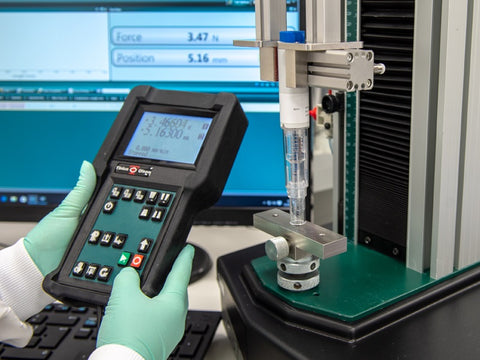
Surgical Instruments and Robotics
Minimally invasive surgical procedures rely heavily on micro actuators to provide surgeons with precise control of instruments inside the body. Laparoscopic and endoscopic tools incorporate micro actuators to control jaw opening/closing, rotation, and articulation of instrument tips. Robotic surgical systems like the da Vinci platform use multiple micro actuators to translate surgeon hand movements into precise instrument motions with tremor filtering and motion scaling.
The key advantages in surgical applications include:
- Reduced patient trauma through smaller incisions
- Enhanced surgical precision beyond the limits of human hand steadiness
- Improved ergonomics for surgeons during lengthy procedures
- Expanded surgical capabilities in hard-to-reach anatomical areas
Drug Delivery Systems
Micro actuators enable precise medication dosing in infusion pumps, insulin delivery systems, and implantable drug delivery devices. The actuators control valve mechanisms or piston displacement to deliver exact medication volumes, often in microliter quantities. The high precision of feedback actuators with Hall sensor technology ensures consistent, repeatable dosing critical for patient safety and therapeutic effectiveness.
Diagnostic and Laboratory Equipment
Medical test equipment leverages micro actuators for sample handling, positioning of optical components, and control of measurement systems. Applications include:
- Automated blood analyzers that position sample tubes and reagent dispensers
- Microscope stage positioners for automated slide scanning and pathology imaging
- Spectrophotometers and optical measurement systems requiring precise wavelength selection
- Cell sorting and manipulation systems in research laboratories
- DNA sequencing equipment with automated sample handling
Prosthetics and Assistive Devices
Advanced prosthetic limbs incorporate micro actuators to provide naturalistic movement of fingers, wrists, and other joints. Hearing aids use micro actuators to adjust acoustic components for optimal sound quality. Implantable devices like cochlear implants may include micro actuators for electrode positioning.
Medical applications demand stringent performance characteristics including biocompatibility of materials, autoclavability for surgical instruments, fail-safe operation modes, and compliance with regulatory standards like FDA approval and ISO 13485 certification. The micro actuators used must undergo rigorous testing and validation to ensure they meet these exacting requirements.
Consumer Electronics Applications
Consumer electronics represent a massive market for micro actuators, driven by continuous miniaturization, feature enhancement, and user experience innovation. From smartphones to smart home devices, micro actuators enable functionality that consumers increasingly expect as standard.

Camera Systems and Optical Image Stabilization
Smartphone cameras rely on micro actuators for multiple functions. Autofocus systems use micro actuators to move lens elements with millisecond response times, enabling sharp images even in challenging conditions. Optical image stabilization (OIS) systems employ micro actuators to counteract hand tremor and movement, producing sharper photos and smoother video. Aperture control in advanced camera modules uses micro actuators to adjust opening size for optimal depth of field and light control.
These optical applications demand extremely high precision—positioning accuracy of 10 micrometers or less—combined with rapid response times and low power consumption to preserve battery life.
Haptic Feedback and User Interface
Haptic feedback systems create tactile sensations that enhance user interaction with touchscreens and interfaces. Micro actuators generate vibrations that simulate the feel of physical buttons, providing confirmation of touch inputs. Advanced haptic systems can create varied textures, directional cues, and sophisticated feedback patterns that improve gaming experiences, typing accuracy, and accessibility for vision-impaired users.
The trend toward buttonless designs in premium smartphones and wearables makes haptic feedback increasingly important—micro actuators replace mechanical switches while maintaining user satisfaction with interface interactions.
Smart Home and IoT Devices
Smart home automation increasingly incorporates micro actuators for various control functions:
- Smart locks with motorized deadbolts for remote access control
- Automated window blinds and curtains for light and privacy management
- Smart appliances with automated dispenser controls and adjustment mechanisms
- Robotic vacuum cleaners using micro actuators for brush positioning and debris management
- Coffee machines with precision grind adjustment and brewing mechanism control
Wearable Technology
Smartwatches, fitness trackers, and AR/VR headsets use micro actuators for haptic notifications, focus adjustment in optical systems, and mechanical interface controls. The extremely limited space and power budgets in wearables push micro actuator technology toward ever-smaller form factors and lower energy consumption while maintaining reliable performance.
Automotive Industry Applications
The automotive industry has embraced micro actuator technology to enhance vehicle performance, safety, comfort, and efficiency. Modern vehicles contain dozens to hundreds of micro actuators controlling various subsystems.

Powertrain Control Systems
Engine management systems use micro actuators extensively for precise control of combustion parameters:
- Fuel injection systems: Micro actuators control the opening and closing of fuel injectors with microsecond precision, optimizing fuel delivery for performance, efficiency, and emissions reduction. Direct injection systems require particularly rapid response times and precise control to achieve optimal combustion.
- Throttle control: Electronic throttle systems (drive-by-wire) use micro actuators to control the throttle valve position based on driver input and engine management algorithms, enabling features like cruise control, traction control, and optimized performance mapping.
- Variable valve timing: Advanced engines incorporate micro actuators to adjust valve timing and lift for optimal performance across different engine speeds and loads.
- Exhaust gas recirculation (EGR): Micro actuators control EGR valve position to manage emissions while maintaining performance.
Active Suspension and Chassis Control
Modern suspension systems use micro actuators to adapt ride characteristics in real-time. Active suspension systems adjust damper settings, ride height, and anti-roll bar stiffness based on road conditions, vehicle speed, and driving style. This provides optimal handling during spirited driving while maintaining comfort during normal cruising. Some advanced systems can even "read" the road ahead using cameras and pre-adjust suspension settings before encountering irregularities.
Advanced Braking Systems
Electronic braking systems incorporate micro actuators for features including:
- ABS (Anti-lock Braking System) modulation for optimal stopping performance
- Electronic brake force distribution for balanced braking
- Brake-by-wire systems that decouple pedal input from mechanical brake application
- Parking brake actuation in electronic parking brake systems
Climate Control and HVAC Systems
Automotive HVAC systems use multiple micro actuators to control air distribution, temperature mixing, and vent positioning. These actuators adjust blend doors and mode doors to direct heated or cooled air to specific zones, enabling precise multi-zone climate control. The quiet operation and precise positioning capability of modern micro actuators enhance passenger comfort while reducing power consumption compared to traditional vacuum or cable-operated systems.
Adaptive Lighting Systems
Headlight systems in modern vehicles use micro actuators to adjust beam direction and pattern. Adaptive headlights pivot to illuminate curves as the vehicle turns. Automatic high-beam systems use micro actuators to adjust beam pattern to avoid dazzling oncoming drivers while maximizing forward illumination. Some premium systems can selectively shade portions of the beam pattern to create "light tunnels" around detected vehicles.
Seating and Interior Adjustments
Power seat adjustments, lumbar support systems, and active bolster systems all rely on micro actuators for precise positioning. Advanced seats may include massage functions with multiple micro actuators providing therapeutic motion patterns. Mirror adjustment systems use micro actuators for memory positioning and auto-dimming tilt.
Aerospace and Aviation Applications
Aerospace applications demand the highest levels of reliability, performance, and environmental tolerance from micro actuators. The harsh conditions of flight—temperature extremes, vibration, radiation exposure, and pressure changes—combined with safety-critical functionality make aerospace one of the most challenging application domains.
Flight Control Surface Actuation
While primary flight control surfaces in larger aircraft typically use hydraulic or larger electric actuators, micro actuators play important roles in secondary control systems:
- Trim tab adjustment for fine control surface positioning
- Aileron and flap fine adjustment in distributed actuation systems
- Spoiler and air brake micro-positioning for precise drag management
- Rudder trim systems for coordinated flight
Small UAVs (Unmanned Aerial Vehicles) and drones rely heavily on micro actuators for all control surface actuation due to weight and space constraints. These applications require high power-to-weight ratios, rapid response times, and reliable operation across wide temperature ranges.
Engine Control and Fuel Management
Aircraft engine systems incorporate micro actuators for:
- Fuel metering and mixture control for optimal combustion efficiency
- Variable inlet guide vane positioning in turbine engines
- Bleed air valve control for cabin pressurization and engine starting
- Thrust reverser actuation in some smaller systems
Satellite and Spacecraft Systems
Space applications present unique challenges including vacuum operation, extreme temperature cycling (-150°C to +150°C), radiation exposure, and absolute reliability with no possibility of maintenance. Micro actuators in space systems must be specifically designed and tested for these conditions.
Common space applications include:
- Solar panel deployment and positioning mechanisms
- Antenna positioning and deployment systems
- Instrument pointing and scanning systems
- Optical telescope focus and mirror adjustment
- Satellite docking and berthing mechanisms
- Scientific instrument deployment and sampling systems
Cabin and Payload Systems
Aircraft cabin systems use micro actuators for passenger comfort and convenience features including window shade automation, tray table latches, reading light positioning, and individual air vent control. Cargo handling systems may use micro actuators for latch mechanisms and positioning systems.
The aerospace industry requires extensive qualification testing including vibration testing, thermal cycling, humidity exposure, salt spray testing, and lifecycle validation. Components must meet stringent standards such as DO-160 for airborne equipment and various military specifications for defense applications.
Robotics and Automation Applications
Robotics represents a rapidly expanding application domain for micro actuators, driven by trends toward collaborative robots (cobots), mobile robotics, and increasingly sophisticated manipulation capabilities.

Robotic Manipulation and Grippers
End-effectors and grippers are essential components of robotic manipulators, and micro actuators enable sophisticated grasping capabilities. Applications include:
- Parallel jaw grippers: Micro actuators provide precise opening and closing motion with force control to handle delicate objects without damage
- Multi-fingered hands: Humanoid and dexterous robotic hands use multiple micro actuators to achieve human-like grasping and manipulation
- Soft grippers: Compliant grippers use micro actuators combined with flexible materials to safely handle irregular objects
- Tool changers: Automated tool changing systems use micro actuators for locking and unlocking mechanisms
The precision of feedback actuators enables force-limited grasping essential for handling fragile components in electronics assembly, delicate biological samples in laboratory automation, and variable objects in warehouse automation.
Mobile Robotics and Autonomous Vehicles
Mobile robots and autonomous vehicles incorporate micro actuators in multiple subsystems:
- Sensor positioning systems that adjust camera, LiDAR, or radar orientation for optimal environmental perception
- Suspension systems that adjust ground clearance and wheel positioning for terrain adaptation
- Manipulator arms on mobile platforms for inspection and maintenance tasks
- Payload deployment mechanisms for delivery robots
Humanoid and Biomimetic Robotics
Humanoid robots require numerous micro actuators to achieve human-like motion capabilities. Advanced humanoids may incorporate 30-50 or more actuators throughout the body for joint actuation, facial expression control, and hand/finger manipulation. The challenge lies in creating actuators with sufficient power density to enable dynamic motion while maintaining compact form factors that approximate human anatomy.
Surgical and Medical Robotics
As discussed in the medical section, surgical robots represent a specialized robotics application with extreme precision requirements. Beyond surgical systems, rehabilitation robots use micro actuators to provide controlled resistance and assistance during physical therapy, and prosthetic devices use micro actuators to restore mobility and function.
Educational and Research Robotics
The accessibility of platforms like Arduino and Raspberry Pi has democratized robotics education and research. Micro actuators suitable for these platforms enable students and researchers to build sophisticated systems without industrial-scale budgets. Applications range from desktop robot arms and walking robots to automated scientific instruments and proof-of-concept demonstrations.
Industrial Automation and Manufacturing Applications
Industrial automation leverages micro actuators to achieve precision, speed, and reliability in manufacturing processes. While larger industrial actuators handle heavy lifting and large-scale motion, micro actuators excel in applications requiring compact form factors and precise control.
Automated Assembly Systems
Modern assembly lines incorporate micro actuators for numerous precision tasks:
- Component insertion: Placing small parts like electronic components, fasteners, or subassemblies with micrometer-level accuracy
- Press-fitting: Controlled force application for interference-fit assemblies
- Adhesive dispensing: Precise positioning of dispensing nozzles for controlled adhesive application
- Screw driving: Positioning and depth control for automated fastening systems
- Snap-fit assembly: Controlled engagement of snap-fit features with force monitoring
Inspection and Quality Control Systems
Automated inspection systems use micro actuators to position cameras, sensors, and measurement probes:
- Multi-axis positioning systems for optical inspection that scan parts from multiple angles
- Probe positioning for contact-based dimensional measurement
- X-ray and CT scanner positioning for internal defect detection
- Surface finish measurement systems with controlled probe force
Pick-and-Place Operations
High-speed pick-and-place systems for electronics assembly, packaging, and sorting operations rely on micro actuators for Z-axis motion (pick-up and place down) while larger systems handle XY positioning. The rapid cycle times required—often multiple placements per second—demand actuators with high acceleration capability and precise repeatability.
Precision Valve Control
Process control in industries including pharmaceutical, chemical, semiconductor, and food processing requires precise flow control. Micro actuators provide proportional valve control for applications such as:
- Chemical dosing and mixing systems with precise ratio control
- Pressure regulation in pneumatic and hydraulic systems
- Flow control in liquid filling and dispensing operations
- Gas flow management in semiconductor fabrication
Additive Manufacturing and 3D Printing
Various 3D printing technologies incorporate micro actuators for critical functions including print head positioning in FDM printers, resin tank leveling in SLA systems, powder bed leveling in SLS systems, and build platform Z-axis positioning across multiple technologies.


