Anyone who has ever wrestled with the manual adjustment mechanism of a traditional basketball hoop knows the frustration: loosening pins, lifting heavy poles, fighting with telescoping sections, and trying to secure everything at just the right height. For families with children of different ages, coaches running multi-age training sessions, or basketball enthusiasts who want to practice different shot types, these constant adjustments can turn what should be fun into a tedious chore.
🎥 Video — Introducing the Remote Controlled Adjustable Basketball Hoop From Hi-Riz Hoops
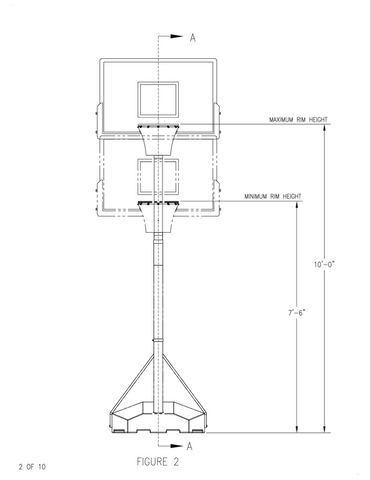
Hi-Riz Hoops, an Arizona-based company committed to "a better and different kind of athletic equipment manufacturing," has engineered an elegant solution to this age-old problem: a basketball hoop system that adjusts height at the push of a button. By integrating a FIRGELLI linear actuator into their design, they've created a remote-controlled basketball hoop that smoothly transitions from 7.5 feet to 10 feet and can be set to any height within that range. It's the kind of practical innovation that transforms user experience—replacing manual labor with precision electric motion control.
This case study demonstrates how linear actuators can revolutionize recreational equipment design, bringing automation and convenience to outdoor sports equipment that has remained largely unchanged for decades.

Why Adjustable Basketball Hoops Matter
Basketball is unique among major sports in that the regulation equipment height (10 feet) remains constant regardless of player age or skill level. Yet this one-size-fits-all approach doesn't serve everyone equally well. Youth basketball organizations like USA Basketball recommend progressive hoop heights: 6 feet for children under age 7, 8 feet for ages 7-8, 9 feet for ages 9-11, and the full 10 feet for ages 12 and up.
Adjustable hoops allow players to develop proper shooting form at appropriate heights. A 7-year-old attempting shots at a 10-foot rim typically develops poor mechanics—heaving the ball with their whole body rather than learning proper wrist snap and follow-through. Similarly, players working on specific skills like dunking progressions or high-percentage shooting drills benefit from the ability to fine-tune hoop height.
The problem with traditional adjustable hoops is that they're genuinely inconvenient to adjust. Most systems require:
- Removing safety pins or loosening adjustment bolts
- Supporting significant weight while repositioning the backboard
- Aligning holes precisely for reinsertion of pins
- Physical strength that limits who can make adjustments
- Several minutes per adjustment, discouraging frequent height changes
This friction means that adjustable hoops often get set to one height and rarely adjusted, defeating their purpose. An electrically actuated system eliminates these barriers entirely.
How Linear Actuators Enable Remote Height Adjustment
A linear actuator converts rotational motion from an electric motor into precise linear motion, pushing or pulling a load along a straight line. For the Hi-Riz Hoops application, the actuator mounts between the pole and the backboard assembly, extending to raise the hoop and retracting to lower it.
The fundamental advantages of using electric linear actuators for basketball hoop adjustment include:
Precise Positioning: Feedback actuators can provide exact position data, allowing the system to remember and return to favorite heights. A family might program 8 feet for the youngest child, 9 feet for middle schoolers, and 10 feet for adults, switching between them with preset buttons.
Smooth, Safe Operation: Unlike sudden manual adjustments, actuator-driven systems move at controlled speeds. This prevents the backboard from dropping suddenly, which could damage equipment or injure someone standing underneath.
Substantial Load Capacity: Basketball backboards with rims and mounting hardware can weigh 50-150 pounds depending on construction. Industrial actuators rated for several hundred pounds of force handle this load easily while maintaining smooth operation over thousands of cycles.
Weather Resistance: Outdoor recreational equipment faces demanding environmental conditions: temperature extremes, moisture, UV exposure, and vibration from play. Quality linear actuators feature sealed housings, corrosion-resistant finishes, and weatherproof components suitable for permanent outdoor installation.
Remote Operation: Paired with a remote control system, actuators allow height adjustment from a safe distance. Users can make adjustments while standing clear of the equipment, and younger children can request height changes without adult assistance for the physical labor.
Engineering Considerations for Basketball Hoop Automation
Designing an actuated basketball hoop system requires careful attention to several engineering factors that ensure safe, reliable operation over years of use.
Force Requirements and Actuator Selection
The actuator must not only lift the static weight of the backboard assembly but also overcome friction in the mounting system, handle dynamic loads from play, and maintain position under the downward forces of dunking or hanging on the rim. A properly specified actuator includes a safety margin—typically 50-100% beyond the calculated static load—to ensure longevity and account for these dynamic conditions.
For most residential basketball hoop applications, actuators with force ratings between 200-500 pounds provide adequate capacity. The specific requirement depends on backboard size (44", 50", 54", 60", or 72" width), material (polycarbonate, acrylic, or tempered glass), and mounting configuration.
Stroke Length and Mounting Geometry
To achieve a 2.5-foot height range (7.5 to 10 feet) at the rim, the actuator doesn't necessarily need a 2.5-foot stroke length. The mounting geometry creates mechanical advantage or disadvantage depending on the pivot points and actuator attachment locations.
In many designs, the actuator mounts at an angle, meaning a shorter stroke produces a larger vertical displacement of the rim. This leverage-based design allows the use of more compact actuators while still achieving the desired adjustment range. Proper mounting geometry also ensures that the actuator operates within its optimal force curve throughout the entire range of motion.
Structural Support and Mounting
The attachment points for the actuator must distribute loads across strong structural members. Basketball play generates significant forces—a regulation rim must support at least 230 pounds of static load to meet breakaway rim safety standards. While the actuator doesn't directly support this playing load, the mounting structure must be engineered to handle both the actuator's operational forces and the equipment's normal use loads.
Quality mounting brackets designed for linear actuator applications provide secure attachment while allowing the necessary pivoting motion. Custom brackets may be required depending on the specific pole and backboard geometry.
Control Systems and Power
The Hi-Riz Hoops system uses remote control operation, which requires an appropriate control box to manage the actuator's direction and motion. The control system must include:
- Limit switches or electronic positioning to prevent over-extension or over-retraction
- Weather-resistant enclosure for outdoor installation
- Appropriate safety features such as automatic stop on obstruction
- Reliable wireless communication between remote and receiver
Power requirements depend on actuator selection, but most outdoor linear actuator applications use 12V or 24V DC systems powered by power supplies connected to standard household AC outlets. For installations where electrical access is challenging, solar panel systems with battery backup can provide off-grid operation.
Beyond Basketball Hoops: Recreational Automation Applications
The Hi-Riz Hoops innovation exemplifies a broader trend: using industrial motion control technology to enhance recreational and residential equipment. Linear actuators are transforming numerous outdoor and sports applications where manual adjustment has traditionally been the only option.
Adjustable Tennis and Pickleball Nets: Similar to basketball hoops, net sports benefit from height adjustment for different skill levels, training drills, or multi-sport use of the same court space.
Retractable Batting Cages: Automated systems can deploy protective netting for batting practice and retract it flush against a garage or fence when not in use, maximizing yard space.
Adjustable Goalposts and Training Equipment: Soccer, football, and field hockey training equipment can incorporate actuators for rapid reconfiguration between drills or age groups.
Pool and Spa Covers: Automated pool cover systems using track actuators provide safety and temperature control with push-button convenience.
Outdoor Entertainment Systems: Actuated mounts for outdoor televisions and projector screens protect expensive electronics while providing optimal viewing angles. This application shares technology with indoor TV lifts but requires enhanced weatherproofing.
DIY Considerations for Motorizing Basketball Hoops
While Hi-Riz Hoops offers a complete engineered solution, DIY enthusiasts and fabricators sometimes inquire about retrofitting existing basketball hoops with actuator systems. This is technically feasible but requires careful planning and execution.
Assessing Your Existing Equipment
Not all basketball hoops are suitable candidates for motorization. The pole must be structurally sound and the mounting system must allow for actuator integration without compromising safety. In-ground hoops with substantial poles (4-6 inches diameter) provide the best foundation. Portable hoops on wheeled bases typically lack the structural rigidity required for safe actuator operation.
Actuator Selection for DIY Projects
For a DIY motorized basketball hoop, consider these actuator characteristics:
- Force Rating: 300-500 lbs provides adequate margin for most residential hoops
- Stroke Length: 12-24 inches depending on mounting geometry
- Speed: 0.5-1.0 inches per second balances reasonable adjustment time with safe operation
- Duty Cycle: Intermittent duty (10-20%) is sufficient for typical residential use
- Protection Rating: IP65 or better for outdoor weatherproofing
Standard linear actuators from FIRGELLI meet these specifications and include the necessary limit switches and mounting hardware. For projects requiring position memory or synchronized multi-actuator operation, feedback actuators with built-in position sensors provide enhanced capabilities.
Safety Considerations
Any DIY motorization project must prioritize safety. Key considerations include:
- Ensuring all structural connections can handle both static and dynamic loads with appropriate safety factors
- Installing proper limit switches to prevent over-travel
- Using weather-resistant electrical components rated for outdoor use
- Implementing emergency stop functionality
- Testing extensively before allowing regular use
- Following all local electrical codes for outdoor installations
When in doubt, consulting with a structural engineer or professional fabricator ensures that safety considerations are properly addressed.
The Future of Smart Recreational Equipment
The Hi-Riz Hoops remote-controlled basketball system represents an early example of what we might call "smart recreational equipment"—traditional sports and play equipment enhanced with automation, connectivity, and user-centered design.
As motion control technology becomes more affordable and compact, we can expect to see continued innovation in this space. Future developments might include smartphone app control with saved user profiles, automatic height adjustment based on detected players, integration with basketball training apps that adjust hoop height for specific drill sequences, or voice control through home automation systems.
The core enabling technology—reliable, affordable electric linear actuators—continues to improve in performance, durability, and cost-effectiveness. This makes previously impractical automation projects increasingly viable for both manufacturers like Hi-Riz Hoops and DIY innovators.
Conclusion
Hi-Riz Hoops' remote-controlled adjustable basketball hoop demonstrates how thoughtful application of motion control technology can solve real-world usability problems in recreational equipment. By integrating a FIRGELLI linear actuator into their hoop design, they've eliminated the manual labor and frustration of height adjustment while enabling precise positioning anywhere in the 7.5 to 10-foot range.
This innovation benefits families with multi-age children, coaches running training programs, and anyone who values convenience and flexibility in their recreational equipment. It showcases the versatility of linear actuator technology and inspires consideration of automation solutions for other traditionally manual equipment.
Whether you're a manufacturer developing next-generation recreational products or a DIY enthusiast looking to enhance your own equipment, electric linear actuators offer proven technology for adding convenient, reliable motion control to your designs.
Frequently Asked Questions
What type of linear actuator is best for a basketball hoop application?
For basketball hoop height adjustment, a heavy-duty linear actuator with a force rating of 300-500 pounds and stroke length of 12-24 inches typically works well. The actuator should have an IP65 or better weatherproof rating for outdoor use, operate on 12V or 24V DC power, and include built-in limit switches. Standard industrial actuators handle the load requirements and environmental conditions of outdoor recreational equipment while providing smooth, reliable operation over thousands of adjustment cycles.
Can I retrofit my existing basketball hoop with a linear actuator system?
Retrofitting an existing basketball hoop with actuator-based height adjustment is technically possible but requires careful evaluation of your equipment's structural integrity and mounting configuration. In-ground hoops with substantial poles (4-6 inches diameter) are the best candidates. You'll need to design and fabricate mounting brackets, select an appropriately rated actuator, install a control system and power supply, and ensure all connections can safely handle the loads involved. If you lack experience with structural engineering or electrical systems, consulting with professionals is recommended to ensure safety.
How much does it cost to add actuator-based height adjustment to a basketball hoop?
The cost varies significantly depending on whether you're purchasing a complete system like Hi-Riz Hoops or building a DIY solution. For DIY projects, expect to invest $300-800 in components including a suitable linear actuator ($200-400), control system with remote ($80-150), power supply ($40-80), and custom mounting brackets ($50-200 depending on fabrication requirements). Commercial turnkey solutions that include engineering, installation, and warranty support typically cost more but eliminate the technical challenges and safety concerns of DIY implementation.
How long does it take for a linear actuator to adjust basketball hoop height?
Adjustment time depends on the actuator's speed rating and the stroke length required for your desired height range. Most linear actuators used in recreational equipment operate at speeds between 0.5 to 1.5 inches per second. For a basketball hoop adjusting through a 2.5-foot range, depending on mounting geometry, the actuator might need to extend 12-18 inches, taking approximately 15-30 seconds for a full range adjustment. This speed provides smooth, controlled motion while being fast enough for practical use between players or drills.
What maintenance does a motorized basketball hoop require?
Motorized basketball hoops require minimal maintenance when properly designed and installed. Periodically inspect all mounting hardware for tightness and signs of wear, keep the actuator shaft clean and free of debris, check electrical connections for corrosion (particularly important in outdoor installations), and verify that limit switches and safety features function correctly. Quality linear actuators with sealed housings and self-lubricating components typically operate for years without requiring internal maintenance. If you notice unusual noises, slower operation, or difficulty moving through the full range, these may indicate the need for professional inspection.
Are actuated basketball hoops safe for children to operate?
When properly designed with appropriate safety features, actuated basketball hoops are safe for supervised use by children. Key safety features include controlled movement speeds that prevent sudden drops, obstruction detection that stops movement if something interferes with the actuator's path, wireless remote control that allows operation from a safe distance away from the equipment, and limit switches that prevent over-extension beyond safe ranges. Adult supervision should be provided when young children are using the remote control, and all users should be instructed to stay clear of the moving components during height adjustment.


