
Ball screw vs lead screw actuators is really a tradeoff between efficiency and simplicity. Ball screws usually suit high duty cycle, higher speed, and precision work. Lead screws often suit lower cost, quieter motion, simpler mechanics, and applications that benefit from more friction and load holding.
What is the difference between a ball screw and a lead screw?
A lead screw uses sliding contact between the screw and nut. A ball screw uses recirculating balls between the screw and nut, so the contact rolls instead of mostly sliding.
What is the simple explanation?
A lead screw is like dragging a block along a thread. A ball screw is like putting tiny bearings between the moving parts. Bearings reduce friction, but they also make the mechanism more complex.
Use the simple relationship below to understand why efficiency matters.
Useful output power = motor input power × screw efficiency
When does this choice matter?
It matters when speed, duty cycle, precision, heat, noise, and load holding matter. If the actuator moves once in a while, a simple screw drive often works well. If the actuator cycles all day or needs efficient high-speed motion, screw efficiency becomes more important.
Do not choose from the screw name alone. Choose from the job.
Which screw type fits your priorities?
This scorecard turns the tradeoff into a first-pass decision. It does not replace actuator specs, but it helps you ask the right question before buying.
How do you use this scorecard?
- Choose how important load holding is.
- Choose how important duty cycle, speed, quiet motion, and cost are.
- Compare the lead screw and ball screw direction scores.
- Click Calculate to see your result.
How do the options compare?
What is a simple example?
A cabinet lift moves 12 inches, a few times per day, and must stay put when stopped. Lead screw direction makes sense because efficiency matters less than holding, cost, and quiet motion.
A machine axis moves hundreds of times per hour and needs high speed. Ball screw direction makes more sense because friction and heat become real problems.
What should you check before choosing?
- Dynamic load
- Static load
- Stroke
- Speed
- Duty cycle
- Back-driving risk
- Noise
- Feedback requirement
- Environmental exposure
- Mounting and side load
Recommended FIRGELLI setup
Which FIRGELLI products fit this decision?
The product-first check did not find a verified public FIRGELLI product page that should be sold as a dedicated ball screw family. So the correct recommendation is to choose by load, stroke, speed, feedback, duty cycle, and environment.

C-Series Actuators
Use these as a practical starting point when you need a general-purpose actuator with multiple force, speed, and stroke options.
View C-Series Actuators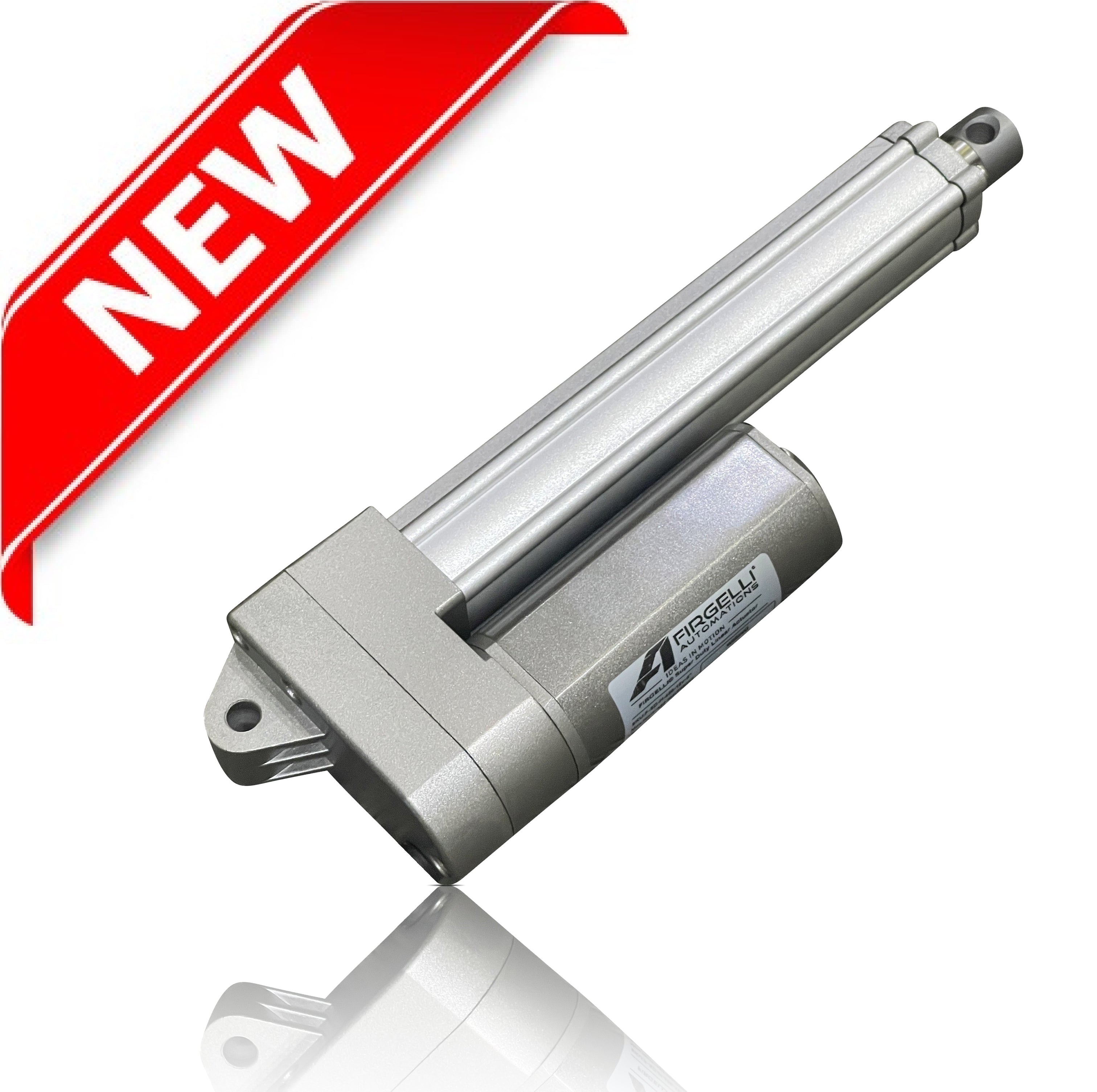
Super Duty Electric Linear Actuator
Use this when the job needs a stronger actuator platform with feedback-capable options. Feedback can work with the FCB-2, but basic switch control still works.
View Super Duty Actuators
Industrial Linear Actuators
Use these for heavier or harsher applications where rugged construction and optional feedback wiring matter.
View Industrial ActuatorsFor position-aware control, use the FCB-2 actuator controller. For the wider catalog, start with the FIRGELLI linear actuators collection.
Frequently Asked Questions
Is a ball screw better than a lead screw?
Not always. A ball screw usually wins on efficiency, speed, and high duty cycle. A lead screw often wins on simplicity, lower cost, quieter motion, and load holding. The better choice depends on the application.
Why do lead screws hold load better?
Many lead screw systems have more friction than ball screw systems. That friction can resist back-driving. It helps hold position, but it also reduces efficiency and creates more heat during long or fast runs.
Why are ball screws more efficient?
Ball screws use rolling contact through recirculating balls instead of mostly sliding contact. Rolling contact reduces friction, so more motor power turns into linear motion instead of heat.
Which screw type is quieter?
Lead screws often sound quieter in light and moderate-duty applications. Ball screws can make more mechanical noise because of the ball circulation path, though design quality, speed, mounting, and load affect sound more than the screw name alone.
Does feedback make a lead screw actuator precise?
Feedback improves control because the controller can read position. It does not change backlash, stiffness, screw efficiency, or mechanical play by itself. For accurate positioning, choose the right mechanics and the right feedback/control system.


