Designing a mechanism that must produce smooth, repeatable linear motion from a rotating input — with predictable velocity and acceleration at every point in the cycle — is a core challenge in mechanical engineering. Use this Scotch Yoke Calculator to calculate position, velocity, and acceleration of a scotch yoke system using crank radius, RPM, and crank angle. Getting these values right matters in engines, reciprocating compressors, and automated linear motion systems where sinusoidal motion profiles are a hard requirement. This page includes the governing formulas, a worked example, motion theory, and an FAQ.
What is a Scotch Yoke Mechanism?
A scotch yoke mechanism converts continuous rotational motion into smooth back-and-forth linear motion. The output follows a perfect sine wave — meaning the linear displacement, speed, and acceleration at any point in the rotation are mathematically predictable.
Simple Explanation
Think of a pin riding around the edge of a spinning wheel, but locked inside a sliding slot. As the wheel turns, the pin pushes the slot — and anything attached to it — back and forth in a straight line. The further into the rotation, the faster it moves, then it slows again near the ends. That smooth, wave-like motion is exactly what makes this mechanism useful.
📐 Browse all 1000+ Interactive Calculators
Scotch Yoke Mechanism Diagram

Scotch Yoke Mechanism Calculator
How to Use This Calculator
- Enter the crank radius (r) in mm or inches — this is the distance from the center of rotation to the crank pin.
- Enter the RPM — the rotational speed of the crank in revolutions per minute.
- Enter the crank angle (θ) in degrees — the angular position you want to analyze.
- Click Calculate to see your result.
📹 Video Walkthrough — How to Use This Calculator
Scotch Yoke Mechanism Interactive Visualizer
Visualize how rotational motion converts to perfect sinusoidal linear motion in real-time. Adjust crank radius, RPM, and angle to see instant position, velocity, and acceleration calculations with animated mechanism movement.
POSITION
0.0 mm
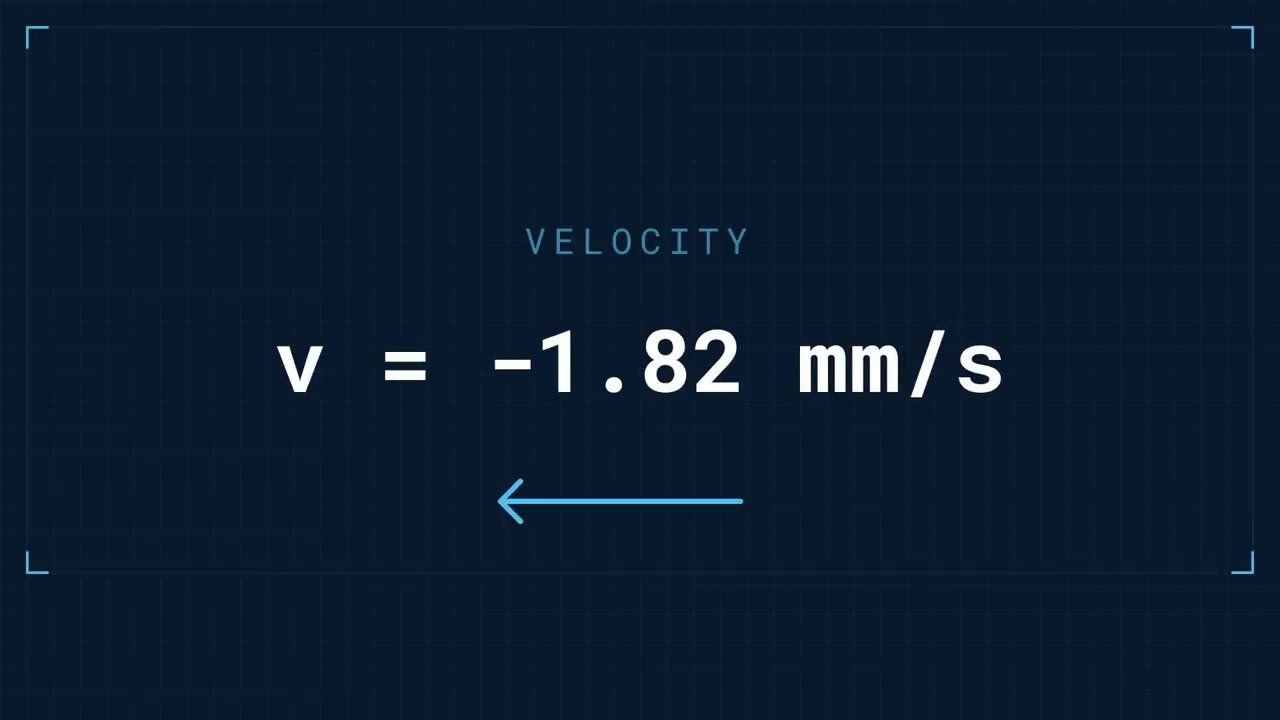
VELOCITY
0 mm/s
ACCELERATION
0 mm/s²
FIRGELLI Automations — Interactive Engineering Calculators
Mathematical Equations
Use the formula below to calculate scotch yoke position, velocity, and acceleration.
The scotch yoke mechanism calculator uses the following fundamental equations to determine motion characteristics:
Position Equation:
x = r cos(ωt)
Velocity Equation:
v = -rω sin(ωt)
Acceleration Equation:
a = -rω² cos(ωt)
Where:
- x = Linear position of the yoke
- r = Crank radius
- ω = Angular velocity (rad/s)
- t = Time (or θ/ω for specific angle)
- v = Linear velocity
- a = Linear acceleration
Simple Example
Crank radius: 50 mm | RPM: 600 | Angle: 90°
ω = (600 × 2π) / 60 = 62.83 rad/s
Position: x = 50 × cos(90°) = 0 mm
Velocity: v = −50 × 62.83 × sin(90°) = −3,141 mm/s
Acceleration: a = −50 × 62.83² × cos(90°) = 0 mm/s²
How Scotch Yoke Mechanisms Work
The scotch yoke mechanism is an elegant mechanical system that converts rotational motion into linear motion through pure sinusoidal displacement. This scotch yoke mechanism calculator helps engineers and designers analyze the precise motion characteristics of this fundamental mechanical component.
At its core, the scotch yoke consists of a rotating crank with a pin that slides within a slotted yoke. As the crank rotates at a constant angular velocity, the pin traces a circular path while simultaneously driving the yoke in linear motion. The beauty of this mechanism lies in its ability to produce perfect sinusoidal motion, making it invaluable for applications requiring smooth, predictable linear displacement.
The fundamental principle behind the scotch yoke mechanism centers on trigonometric relationships. When the crank rotates through an angle θ, the horizontal position of the pin (and consequently the yoke) follows the cosine function. This creates a sinusoidal motion pattern that is both mathematically predictable and mechanically robust.
Motion Characteristics
The sinusoidal nature of scotch yoke motion creates several distinct characteristics that engineers must consider:
Position Profile: The linear position follows a cosine curve, reaching maximum displacement when the crank is horizontal and zero displacement when vertical. This creates smooth transitions between extreme positions without sudden changes in direction.
Velocity Profile: Velocity follows a negative sine curve, reaching maximum speed when passing through the center position and zero velocity at the extreme positions. This creates natural acceleration and deceleration phases that reduce shock loads on the system.
Acceleration Profile: Acceleration follows a negative cosine curve, creating maximum acceleration at the extreme positions and zero acceleration at the center. This characteristic is particularly important for dynamic analysis and force calculations.
Practical Applications
Scotch yoke mechanisms find widespread use across numerous industries due to their reliable sinusoidal motion characteristics. Understanding these applications helps engineers select the appropriate mechanism for their specific requirements.
Engine Applications
Internal combustion engines represent one of the most common applications for scotch yoke mechanisms. The sinusoidal motion profile provides smooth piston movement that reduces vibration and wear compared to traditional connecting rod systems. Aircraft engines, in particular, benefit from the reduced vibration characteristics of scotch yoke designs.
Compressor Systems
Reciprocating compressors utilize scotch yoke mechanisms to achieve consistent compression cycles. The predictable motion profile allows for precise timing of intake and exhaust valves, optimizing compression efficiency. This scotch yoke mechanism calculator proves invaluable for compressor designers seeking to optimize displacement volumes and flow rates.
Linear Actuator Integration
Modern automation systems increasingly integrate scotch yoke mechanisms with FIRGELLI linear actuators to achieve complex motion profiles. This combination allows for programmable sinusoidal motion with precise position control, expanding the mechanism's applications in robotics and automated manufacturing.
Worked Example
Consider a scotch yoke mechanism with the following specifications:
- Crank radius (r): 75 mm
- Operating speed: 1200 RPM
- Analysis angle: 60 degrees
Step 1: Convert RPM to angular velocity
ω = (1200 × 2π) / 60 = 125.66 rad/s
Step 2: Calculate position
x = 75 × cos(60°) = 75 × 0.5 = 37.5 mm
Step 3: Calculate velocity
v = -75 × 125.66 × sin(60°) = -75 × 125.66 × 0.866 = -8,161 mm/s
Step 4: Calculate acceleration
a = -75 × (125.66)² × cos(60°) = -75 × 15,791 × 0.5 = -593,412 mm/s²
This example demonstrates the high velocities and accelerations possible with scotch yoke mechanisms, highlighting the importance of proper design and material selection.
Design Considerations
Material Selection
The sliding interface between the crank pin and yoke slot experiences significant wear under normal operating conditions. Engineers must select materials with appropriate hardness, wear resistance, and lubrication characteristics. Common material combinations include hardened steel pins with bronze or steel yokes, depending on load requirements and operating speeds.
Clearance and Tolerances
Proper clearance between the pin and slot is critical for smooth operation while maintaining positioning accuracy. Excessive clearance leads to backlash and reduced precision, while insufficient clearance causes binding and increased wear. This scotch yoke mechanism calculator helps engineers determine the optimal clearances based on operating conditions and accuracy requirements.
Load Analysis
The sinusoidal acceleration profile creates varying loads throughout the motion cycle. Maximum loads occur at the extreme positions where acceleration is highest. Engineers must design components to withstand these peak loads while considering fatigue effects from cyclic loading.
Lubrication Systems
The sliding contact between pin and yoke requires effective lubrication to minimize wear and ensure smooth operation. Lubrication system design must account for the reciprocating motion and varying contact pressures throughout the cycle. Proper lubrication extends mechanism life and maintains performance consistency.
Vibration and Noise Control
While scotch yoke mechanisms produce less vibration than many alternatives, high-speed operation can still generate significant dynamic forces. Proper balancing and mounting design help minimize transmitted vibrations and associated noise levels.
Integration with Modern Control Systems
Contemporary applications often integrate scotch yoke mechanisms with electronic control systems and servo actuators. Engineers can combine traditional scotch yoke mechanisms with FIRGELLI linear actuators to create hybrid systems offering both sinusoidal motion characteristics and precise position control.
For additional mechanical calculations, explore our comprehensive engineering calculator library, which includes related tools for cam mechanisms, linkage analysis, and actuator sizing.
Frequently Asked Questions
📐 Browse all 1000+ Interactive Calculators →
About the Author
Robbie Dickson
Chief Engineer & Founder, FIRGELLI Automations
Robbie Dickson brings over two decades of engineering expertise to FIRGELLI Automations. With a distinguished career at Rolls-Royce, BMW, and Ford, he has deep expertise in mechanical systems, actuator technology, and precision engineering.
Need to implement these calculations?
Explore the precision-engineered motion control solutions used by top engineers.


