Electric linear actuators have fundamentally transformed furniture design over the past two decades, enabling static pieces to become dynamic, multifunctional systems that adapt to our needs. What was once accomplished through manual adjustment or cumbersome mechanisms can now be achieved with the simple press of a button. From hidden TV lifts that emerge from cabinets to adjustable beds that cradle you in perfect comfort, actuators have become the invisible workhorses of modern furniture, delivering precision motion control wrapped in elegant silence.
🎥 Video — Examples of how Actuators are used in Furniture
The integration of linear actuators into furniture represents more than just convenience—it's a fundamental shift in how we design living spaces. These electromechanical devices convert electrical energy into precise linear motion, offering force capabilities ranging from a few pounds to over 2,200 lbs, stroke lengths from 1 inch to 60 inches, and operating voltages typically between 12V and 24V DC. This versatility makes them ideal for countless furniture applications, from compact reading chairs to heavy-duty motorized cabinets.
This comprehensive guide explores the diverse applications of electric linear actuators in furniture, examining how they enhance functionality, improve accessibility, and redefine what's possible in residential and commercial spaces. Whether you're a furniture designer seeking to incorporate motion control, a DIY enthusiast planning a custom build, or simply curious about the technology transforming modern living, this article provides the technical insights and practical examples you need to understand actuator applications in furniture.
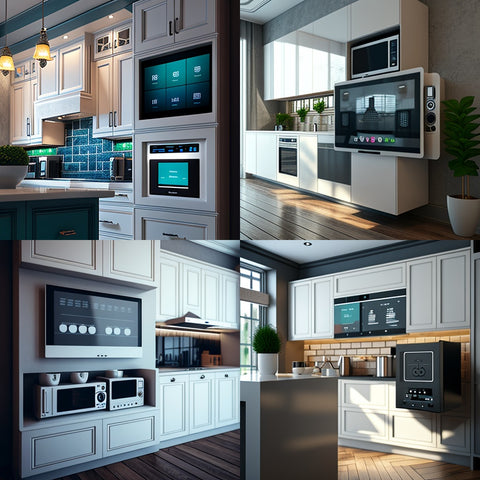
Pop-Up TV Lifts: Concealed Entertainment Systems
One of the most popular applications of actuators in furniture is the motorized TV lift, which solves the age-old problem of visual clutter while maximizing space efficiency. These systems embed the television within cabinets, bed footboards, or custom millwork, allowing it to silently rise into viewing position when needed and descend out of sight when not in use. The result is a cleaner aesthetic that doesn't sacrifice entertainment functionality.
For TV lift applications, FIRGELLI's Super Duty series actuators are particularly well-suited due to their combination of high force capacity (up to 450 lbs), remarkably quiet operation, and smooth motion profiles. The silent operation is crucial in entertainment settings where motor noise would be distracting. These actuators feature precision ball screw drives that ensure smooth, vibration-free movement—essential when lifting delicate and expensive flat-screen televisions.
TV lifts typically operate at 12V or 24V DC, making them compatible with standard power supplies and easy to integrate with remote controls or wall switches. For larger televisions exceeding 60 inches or weighing over 100 lbs, synchronized dual-actuator systems may be required. In such configurations, a control box like the FIRGELLI FCB-1 ensures both actuators move in perfect unison, preventing binding or uneven lifting that could damage the television or mechanism.
DIY Pop-Up Bar Cabinets
The same actuator technology that powers TV lifts has been adapted for pop-up bar cabinets, transforming static storage into dynamic entertainment centers. These motorized cabinets conceal liquor bottles, glassware, and bar accessories within elegant cabinetry, revealing them with theatrical flair at the touch of a button. The application requires actuators with sufficient stroke length (typically 12-24 inches) to provide adequate lift height while maintaining smooth, controlled motion.
Installing actuators in bar cabinets requires careful consideration of weight distribution and mounting bracket placement. The lifting platform must be balanced to prevent tilting, and actuators should be positioned to support the load evenly. Many DIY builders use feedback actuators with built-in position sensors, allowing for programmable stop positions—perhaps one position for bottle storage and another for mixing height.
Automated Windows and Doors for Ventilation Control
Actuators mounted on windows and doors provide automated control over natural ventilation, enhancing both convenience and energy efficiency. These systems can be programmed to open windows based on temperature sensors, close them when rain is detected, or integrate with smart home systems for voice control. The robust design of industrial actuators makes them suitable for this application, as they must withstand variable weather conditions and operate reliably over thousands of cycles.
For skylight and high-window applications, actuators with sufficient force to overcome the weight of the window and any weather sealing resistance are essential. Typical specifications include 150-300 lbs of force and stroke lengths of 8-18 inches, depending on the window size and opening angle required. IP-rated actuators (IP65 or higher) are recommended for outdoor exposure, as they provide protection against dust and water ingress.
Safety is paramount in automated window systems. Many installations incorporate limit switches or feedback actuators to prevent over-extension, and some include obstacle detection that reverses motion if resistance is encountered—critical for preventing injury if someone's hand is in the closing path.
Adjustable Beds and Reclining Furniture
The residential furniture segment has seen explosive growth in adjustable bed systems, where multiple actuators work together to create customizable sleep surfaces. These beds use two to four actuators to independently control head and foot positions, with premium models offering additional zones for lumbar support or massage features. The ability to adjust sleeping position provides significant health benefits, including reduced snoring, improved circulation, and relief from acid reflux and back pain.
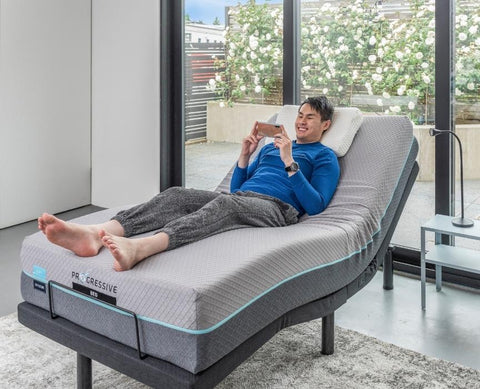
FIRGELLI's FA-U electric actuator represents a significant advancement for adjustable bed applications. This compact actuator offers an exceptional power-to-weight ratio, making it ideal for furniture where space is at a premium. Despite its small form factor, it delivers substantial force while maintaining whisper-quiet operation—essential for bedroom furniture where noise would disrupt sleep. The FA-U incorporates Hall effect sensors for precise positional feedback, enabling memory presets that return to favorite positions with remarkable accuracy.
When selecting actuators for bed applications, several specifications matter: stroke length (typically 8-16 inches for head/foot adjustment), force capacity (150-300 lbs per actuator depending on mattress weight and frame design), and speed (1-2 inches per second provides smooth, comfortable adjustment). The actuators must also handle frequent cycling, as users may adjust position multiple times per night. Quality actuators are rated for 10,000+ full extension/retraction cycles, ensuring years of reliable operation.
Recliner Chairs and Home Theater Seating
Reclining furniture represents another major application category, from basic single-motor recliners to sophisticated home theater chairs with independent control of multiple positions. Entry-level recliners typically use a single actuator that simultaneously adjusts the backrest angle and extends the footrest through a mechanical linkage. More advanced designs employ two or three actuators, allowing independent control of backrest recline, footrest extension, and lumbar support positioning.
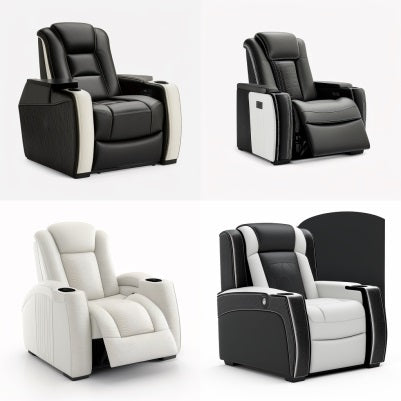
Luxury brands like La-Z-Boy have pioneered multi-actuator systems in recliners, using electric linear actuators to automate movements that were once manual. These powered recliners often include memory functions, USB charging ports, and integration with remote controls or smartphone apps. The actuators must provide enough force to lift the user's weight during recline motion, typically requiring 200-400 lbs of force capacity depending on chair design and expected user weight.
Home theater seating takes this concept further, with premium models incorporating up to four actuators per seat: backrest recline, footrest extension, headrest adjustment, and lumbar support. Some even add motorized armrests or cup holder deployment. This level of customization allows each viewer to dial in their perfect position for extended viewing sessions, transforming the home theater into a true luxury experience.
Height-Adjustable Standing Desks
The ergonomic revolution in office furniture has made standing desks increasingly popular, and electric linear actuators are the technology making smooth height transitions possible. These desks use dual synchronized actuators—one in each leg—to raise and lower the work surface, typically offering a height range from 28 to 48 inches to accommodate both sitting and standing positions for users of varying heights.
Standing desk actuators must meet demanding performance criteria: they need sufficient force capacity (typically 200-300 lbs per actuator to support desktop, monitors, and equipment), fast travel speed (1.5-2.5 inches per second for practical adjustment), and exceptionally smooth motion to prevent items from sliding off during height changes. The FA-U actuator excels in this application due to its compact profile (which fits within narrow desk leg assemblies), quiet operation (important in office environments), and reliable performance through thousands of adjustment cycles.
Advanced standing desk systems incorporate memory presets, allowing users to program their preferred sitting and standing heights for one-touch adjustment. This functionality requires feedback actuators with built-in position sensing, typically using Hall effect sensors or optical encoders. The control system ensures both actuators remain synchronized within millimeters throughout the travel range, preventing desktop tilt that could cause monitors or coffee cups to slide.
Kitchen Cabinet and Appliance Lifts
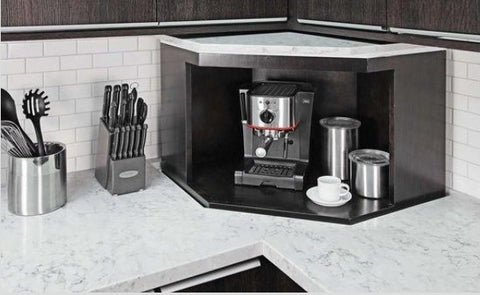
Kitchen design has embraced actuator technology to create more functional and organized spaces. Motorized appliance lifts conceal heavy stand mixers, blenders, and other countertop equipment in base cabinets, lifting them to working height when needed. This approach maximizes usable counter space while keeping appliances readily accessible—no more wrestling heavy mixers from back corners of cabinets.
FIRGELLI's Super Duty actuators are frequently specified for kitchen applications due to their high force capacity, which easily handles appliances weighing 20-40 lbs, and their remarkably quiet operation—important in the typically open-plan kitchens common in modern homes. The actuators' smooth motion profile prevents items from tipping during the lift cycle, and their robust construction withstands the humid, temperature-varying environment of kitchen use.
Cabinet door automation represents another kitchen application, with actuators opening upper cabinets with a touch or automatically in response to sensors. This technology particularly benefits users with limited mobility or height restrictions. Track actuators work well for sliding cabinet doors, while standard linear actuators handle traditional hinged doors, providing controlled opening and soft-close functionality.
Synchronized Multi-Actuator Control Systems
When applications require multiple actuators to work in perfect harmony—such as large cabinet lifts, wide standing desks, or king-size adjustable beds—synchronized control becomes essential. The FIRGELLI FCB-1 Control Box is specifically engineered to solve this challenge, connecting up to four actuators and ensuring they extend and retract in precise synchronization regardless of manufacturing tolerances or load variations.
This synchronization works through feedback-based control. Each actuator must have built-in position sensors (Hall effect or potentiometer-based), which report their real-time position to the control box. The controller continuously monitors all actuators and adjusts their speed to maintain alignment, typically keeping positions within 1-2mm across the entire stroke length. Without such control, manufacturing variations and uneven loading would cause actuators to drift out of sync, potentially binding mechanisms or creating uneven lifting.
The FCB-1 is compatible with all FIRGELLI actuators equipped with internal feedback systems, and it can be controlled via simple up/down switches, wireless remote controls, or integrated into larger home automation systems. For furniture builders and OEM manufacturers, this plug-and-play synchronization eliminates the need for custom control programming while ensuring professional-grade performance.
Accessibility and Mobility Enhancement
Electric linear actuators have revolutionized accessibility in furniture design, enabling individuals with limited mobility to control their environment independently. Powered lift chairs use actuators to tilt the entire seat forward and upward, assisting users to a standing position—a significant benefit for those with knee, hip, or back problems. These chairs typically employ a heavy-duty actuator with 500-800 lbs of force capacity to safely lift both the chair and occupant.
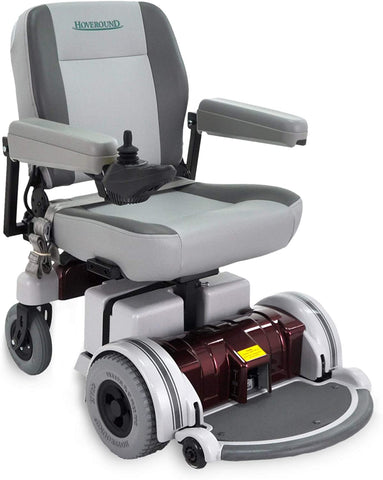
Wheelchair-accessible tables and workstations use actuators to adjust height, allowing wheelchair users to position the work surface at their optimal height. Unlike manual height-adjustment mechanisms that may be difficult to operate from a seated position, electric actuators enable effortless adjustment via easy-to-reach controls. The smooth, controlled motion prevents items from falling during adjustment, and memory presets can store ideal heights for different users or activities.
Bathroom furniture has also benefited from actuator integration, with height-adjustable sinks and toilets that accommodate users of different heights and mobility levels. These installations often use IP-rated actuators to withstand the humid bathroom environment, and they may incorporate limit switches to prevent over-extension or contact with plumbing.
Healthcare and Medical Applications
Medical furniture represents one of the most demanding applications for linear actuators, requiring reliability, precision, and safety features that exceed typical consumer furniture specifications. Hospital beds use multiple actuators to control head position, knee gatch, and overall bed height, with control systems that must meet medical device regulations and provide both patient and caregiver control interfaces.
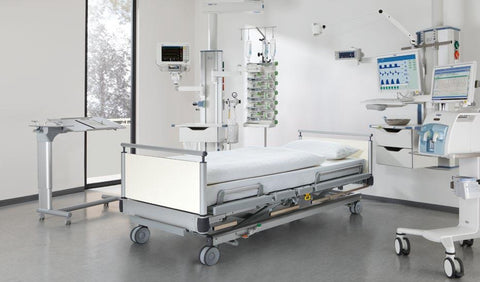
Healthcare-grade actuators typically include additional safety features: battery backup systems to ensure operation during power outages, emergency stop functions, and entrapment protection that automatically reverses motion if unexpected resistance is detected. The actuators must also withstand frequent cleaning with hospital-grade disinfectants and operate reliably for years of continuous use in demanding environments.
Examination tables and chairs use actuators to adjust height, backrest angle, and leg support, allowing healthcare providers to position patients optimally for procedures. The smooth, controlled motion reduces patient anxiety and enables precise positioning—particularly important in dental chairs, where small adjustments significantly affect practitioner ergonomics and patient comfort. These applications often specify industrial actuators rated for high-duty cycles and equipped with worm-gear drives that hold position without power consumption.
Specialized and Custom Furniture Applications
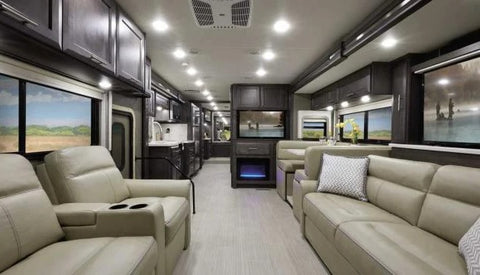
Beyond mainstream applications, actuators enable countless specialized furniture designs. RV and marine furniture faces unique challenges—space constraints, weight limitations, and the need to secure items during travel or rough seas. Murphy beds in RVs use compact actuators to fold down from walls or lift from sofas, maximizing living space. Marine applications require corrosion-resistant actuators, often with stainless steel components or special coatings to withstand saltwater environments.
Retail display fixtures increasingly incorporate actuators to create dynamic merchandising that captures attention. Rotating display platforms, rising product showcases, and automated signage use rotary actuators or linear actuators with linkages to create motion that draws the eye. These systems often integrate with lighting and control systems to choreograph complex display sequences.
Custom furniture makers have embraced actuator technology to create one-of-a-kind pieces: hidden compartments in desks, motorized art installations that transform between configurations, and theatrical furniture for home staging or photography studios. The availability of actuators in various sizes—from micro linear actuators with 1-inch strokes to heavy-duty models with 60-inch travel—means virtually any motion control requirement can be met.
Motorized Drawer Slides and Cabinet Hardware
While traditional drawer slides rely on manual operation, motorized versions incorporate small actuators or motor-driven slide mechanisms to provide powered opening and soft-close functionality. These systems are particularly valuable in luxury kitchens, closets, and commercial applications where hands-free operation enhances convenience and hygiene.
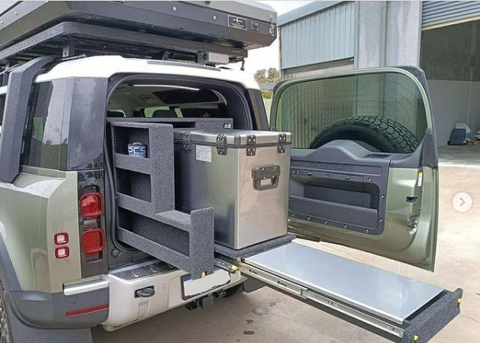
Motorized drawer systems can integrate with touch sensors, foot pedals, or motion detectors for hands-free operation—imagine opening a drawer with a gentle kick when your hands are full of groceries. The slide mechanisms must be robust enough to handle repeated daily use while maintaining smooth, quiet operation. Many systems use slide rails with integrated motors rather than separate actuators, providing a more compact solution.
Selecting the Right Actuator for Furniture Projects
Choosing the appropriate actuator for a furniture application requires evaluating several key specifications and matching them to your project requirements. Understanding these parameters ensures reliable performance and longevity:
- Force Capacity: Calculate the total weight being moved, including the furniture component itself plus any load it carries (user weight, equipment, etc.). Add a 30-50% safety margin. Forces range from 10 lbs for light applications to 2,200+ lbs for heavy-duty uses.
- Stroke Length: Measure the full travel distance needed. Common furniture applications use 6-24 inch strokes, though specialty applications may require up to 60 inches. Remember that actuator mounting adds length beyond the stroke—a 12-inch stroke actuator may be 24+ inches long when fully retracted.
- Speed: Most furniture applications work well with speeds between 0.5-2 inches per second. Faster isn't always better—very fast motion can seem jerky or cause items to slide, while very slow motion tests user patience.
- Voltage: 12V and 24V DC are standard for furniture, powered by plug-in power supplies or battery systems. 12V is typical for lighter applications, while 24V provides more power for heavy-duty uses.
- Duty Cycle: This specifies how long the actuator can run before needing rest. Intermittent-duty actuators (typical in furniture) might be rated for 10-20% duty cycle—meaning 2 minutes on, 8 minutes off. Continuous-duty models can run constantly but typically cost more.
- Feedback Capability: Applications requiring precise positioning, memory presets, or synchronized multi-actuator control need feedback actuators with built-in position sensors.
- Mounting Style: Clevis mounts (rotating pin connections) are most common for furniture, providing articulation at both ends. Some applications use fixed mounting with flexible joints in the driven mechanism.
- Noise Level: Critical for bedroom furniture, home theater seating, and office applications. Quality actuators operate at 45-55 dB—comparable to a quiet conversation.
For most furniture projects, starting with a well-engineered actuator from an established manufacturer ensures you're getting a product designed for the application rather than repurposing industrial actuators. FIRGELLI's furniture-specific actuator lines have been refined through thousands of installations, with mounting options, force ratings, and control compatibility optimized for common furniture applications.
Installation Considerations and Best Practices
Successful actuator integration requires attention to mechanical design, electrical installation, and control system setup. Here are key considerations for furniture builders:
Mechanical Installation: Actuators generate significant force in a straight line, so mounting points must be structurally sound. Use appropriate mounting brackets and ensure they're attached to solid framework, not decorative surfaces. The actuator's line of action should align with the desired motion—misalignment creates side loading that accelerates wear and may cause binding.
For applications with complex motion paths, consider whether the actuator needs freedom to pivot. Clevis mounts at both ends allow the actuator to find its natural alignment as the mechanism moves, preventing binding. Fixed mounts work only when the actuator remains perfectly aligned throughout its travel.
Electrical Installation: Route wiring carefully to avoid pinch points as furniture moves. Use flexible cable rated for motion applications, and provide sufficient slack to accommodate the full range of motion plus a safety margin. For multi-actuator systems, maintain consistent wiring—if one actuator's leads are reversed relative to others, it will move opposite to the rest, causing immediate binding.
Power supplies should be sized appropriately for the total current draw of all actuators. An actuator drawing 5 amps under load needs at least a 6-amp supply for a safety margin, and a dual-actuator system would need 12+ amps. Using undersized power supplies causes voltage drop under load, resulting in slow operation, overheating, or control system malfunctions.
Control Integration: Simple applications may need only a basic DPDT switch for manual control, while sophisticated furniture benefits from dedicated controllers that provide soft-start, memory presets, and safety features. Many furniture manufacturers integrate with standard home automation systems, allowing voice control or smartphone operation—this typically requires controllers with appropriate communication interfaces.
Future Trends in Actuated Furniture
The integration of actuators in furniture continues to evolve, driven by advances in motor technology, control systems, and user expectations. Several trends are shaping the future of this field:

Smart Home Integration: Furniture increasingly connects to broader home automation ecosystems, with actuators responding to voice commands, smartphone apps, and automated routines. An adjustable bed might automatically adjust to your reading position when you say "goodnight," or a standing desk could remind you to switch positions after prolonged sitting. This requires actuators with digital communication protocols and controllers that interface with platforms like Home Assistant, Google Home, or Apple HomeKit.
Artificial Intelligence and Learning: Future furniture may learn user preferences and adjust automatically. A chair could monitor your posture and suggest position changes to reduce strain, or a bed might detect when you're struggling to sleep and adjust to a more comfortable position. These applications require sensors beyond simple position feedback—pressure sensors, accelerometers, and potentially biometric monitoring—all coordinated through intelligent control systems.
Sustainable Design: As environmental concerns drive furniture design, actuators enable multi-function pieces that replace multiple items of traditional furniture. A single piece that transforms from desk to dining table to storage cabinet, all through actuator control, reduces material consumption and space requirements. Low-power actuators and regenerative systems that recover energy during lowering operations may become more common.
Advanced Materials and Miniaturization: Ongoing developments in motor technology and materials science enable smaller, lighter actuators with equivalent performance to today's larger units. This allows integration into more delicate furniture designs and enables applications where size constraints previously prohibited actuator use. Carbon fiber components and advanced polymers reduce weight while maintaining strength, particularly valuable in mobile furniture and RV applications.
Haptic Feedback and User Experience: Future furniture may provide subtle feedback through their actuators—gentle vibration alerts, position confirmation, or even massage functionality integrated into the motion system itself. This requires precise control and variable-speed operation that goes beyond simple on/off functionality.
Conclusion
Electric linear actuators have fundamentally transformed furniture from passive objects into active participants in our daily lives. Whether providing the convenience of a hidden TV lift, the health benefits of an adjustable bed, the accessibility of a lift chair, or the ergonomics of a standing desk, actuators deliver precise motion control wrapped in elegant simplicity. The technology has matured to the point where motorized furniture is reliable, affordable, and accessible to both commercial manufacturers and DIY enthusiasts.
For furniture designers and builders, the key to successful actuator integration lies in understanding the relationship between application requirements and actuator specifications, selecting quality components designed for furniture applications, and implementing proper mounting and control systems. FIRGELLI Automations' comprehensive range of actuators, from compact FA-U models to heavy-duty industrial units, provides solutions for virtually any furniture application, backed by engineering expertise and proven reliability.
As we look ahead, the intersection of actuator technology with smart home systems, AI-driven controls, and sustainable design principles promises even more innovative furniture solutions. The static furniture of the past is giving way to dynamic, adaptable pieces that respond to our needs—and electric linear actuators are the enabling technology making this transformation possible.
Frequently Asked Questions
What voltage actuator do I need for furniture applications?
Most furniture applications use 12V or 24V DC actuators powered by standard plug-in power supplies. The choice between 12V and 24V depends primarily on force requirements and availability of power supplies. 12V actuators are typical for lighter applications (TV lifts, small adjustable furniture) and are easier to power from battery systems if portability is needed. 24V actuators provide more power for heavy-duty applications like large adjustable beds or standing desks with heavy equipment loads. Both voltages are considered low-voltage and safe for residential use. The actuator's voltage must match your power supply—using a 12V actuator with a 24V supply will damage it, while using a 24V actuator with a 12V supply will result in reduced force and speed.
How much force do I need for my furniture project?
Calculate the total weight being moved (furniture component plus any load it carries), then add a 30-50% safety margin. For example, a TV lift for a 60-lb television in a 20-lb mounting bracket would need at least 80 lbs × 1.4 = 112 lbs of force, so a 150-lb actuator would be appropriate. Adjustable beds typically need 150-300 lbs per actuator depending on mattress weight and frame design. Standing desks require 200-300 lbs per actuator (one in each leg) to support desktop, monitors, and equipment. Recliner chairs need 200-400 lbs depending on expected user weight and mechanism design. Remember that friction and mechanical advantage affect force requirements—angled mounting or mechanisms with leverage may need more or less force than the simple weight calculation suggests. When in doubt, consulting with actuator manufacturers or reviewing similar installations can provide guidance.
How quiet are furniture actuators?
Quality furniture actuators operate very quietly, typically in the 45-55 dB range—comparable to a quiet conversation or the hum of a refrigerator. This near-silent operation comes from precision manufacturing, quality gear systems, and careful motor selection. FIRGELLI's actuators designed for furniture applications prioritize quiet operation because noise is especially intrusive in bedrooms, home theaters, and offices. By contrast, industrial actuators not designed for furniture may operate at 65-75 dB—noticeably louder and potentially annoying in residential settings. The actuator's noise level is particularly important for bedroom furniture (adjustable beds) and home theater seating where operation during quiet moments would be distracting. If noise is a critical concern for your application, look for actuators specifically marketed for furniture use or request decibel specifications from manufacturers. Ball screw actuators tend to be quieter than acme screw designs, though at higher cost.
Can I synchronize multiple actuators for wide furniture?
Yes, multiple actuators can and should be synchronized for applications like king-size adjustable beds, wide standing desks, or large cabinet lifts. Without synchronization, manufacturing tolerances and uneven loading cause actuators to drift out of alignment, potentially binding mechanisms or creating uneven lifting. The FIRGELLI FCB-1 Control Box provides sophisticated synchronization for up to four actuators by continuously monitoring position feedback from each actuator and adjusting their speeds to maintain alignment within 1-2mm throughout the stroke. This requires feedback actuators with built-in position sensors (Hall effect or potentiometer-based). The alternative—attempting to synchronize actuators without feedback control by simply wiring them in parallel—rarely works well because slight differences in internal friction or manufacturing tolerances cause one


