The Drop-Down TV Lift Solution: Reclaiming Your Living Space Above the Fireplace
The fireplace has long been the traditional focal point of living rooms, commanding attention with architectural detail and the warmth of flickering flames. Modern homeowners face a dilemma: how do you integrate a large flat-screen television into this space without creating visual conflict or forcing you to choose between entertainment and aesthetics? The answer lies in motorized tv lifts that allow screens to disappear completely when not in use, particularly drop-down installations that utilize the often-overlooked space above the fireplace mantel.
🎥 Video — Home Automation - Drop Down TV Lift over Fireplace
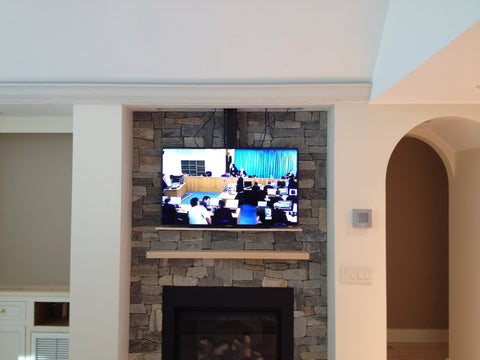
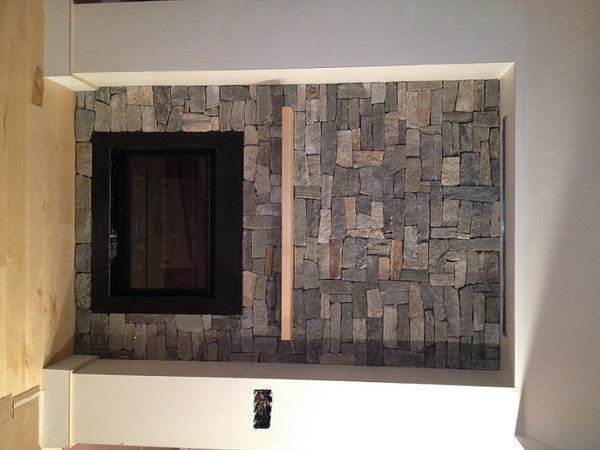
This case study follows a San Francisco Bay Area homeowner who faced exactly this challenge. Doug, a successful businessman, wanted to mount his LCD screen above the fireplace—a practical location that provided optimal viewing angles from the seating area. His wife, however, objected strongly to the visual impact of a permanent black rectangle dominating their carefully designed living space. Rather than compromise, Doug identified approximately 4.5 inches of clearance between structural framing elements directly above the desired location and engineered a concealed drop-down solution using a FIRGELLI TV lift mechanism. The result satisfied both priorities: entertainment technology when needed, architectural integrity when it wasn't.
This installation demonstrates how electric linear actuators enable home automation that respects both function and design, making technology truly disappear until the moment you need it.
Why Hide Your Television Above the Fireplace?
Mounting televisions above fireplaces has become increasingly common as flat-screen technology has evolved, but it comes with significant design challenges. The television often becomes the dominant visual element in the room, drawing attention even when turned off. For homes with architectural features like exposed beams, decorative mantels, or stone surrounds, a permanent TV installation can undermine the aesthetic investment homeowners have made in these spaces.
A motorized drop-down system addresses multiple concerns simultaneously. First, it preserves the room's visual hierarchy when the television isn't in use, allowing artwork, the fireplace itself, or natural architectural elements to serve as focal points. Second, it provides flexibility in room function—the same space can serve as a formal entertaining area or a casual media room depending on whether the screen is visible. Third, it protects expensive electronics from heat exposure when the fireplace is in use, as the television can be fully retracted into a protected ceiling cavity.
The concealment aspect also has practical benefits beyond aesthetics. Televisions collect dust on their screens and bezels; a retracted unit remains protected between uses. For families with young children, a hidden television eliminates the temptation to constantly have screens present during family time. When guests visit, the room can present itself as a refined living space rather than a media center.
Engineering a Ceiling-Mounted Drop-Down TV Installation
The key constraint in Doug's installation was the 4.5-inch clearance between structural ceiling elements. This dimension dictated both the television selection and the lift mechanism specifications. Modern LCD and LED televisions range from 2 to 4 inches in depth depending on the model and size, which meant careful measurement and planning were essential to ensure the unit would fit within the available cavity when retracted.
Structural Assessment and Requirements
Before purchasing any equipment, ceiling cavity dimensions must be thoroughly assessed. Locate ceiling joists using a stud finder and measure the exact distance between the finished ceiling surface and any obstructions such as HVAC ducts, electrical conduits, or cross-bracing. The cavity must accommodate not just the television's depth but also the mounting hardware and the stroke length of the actuator system when fully retracted.
Load-bearing capacity is equally critical. A 55-inch television typically weighs 30-40 pounds; larger 65-75 inch models can exceed 60 pounds. The lift mechanism itself adds weight, and the entire assembly must be supported by proper blocking between ceiling joists. Most installations require 2x6 or 2x8 blocking secured perpendicular to the joists to create a solid mounting surface for the lift mechanism's mounting brackets.
Selecting the Right TV Lift Mechanism
FIRGELLI TV lift systems use precision linear actuators to provide smooth, quiet motion with precise position control. These systems typically include paired actuators for balanced lifting, an integrated control box with programmable endpoints, and a remote control for operation. The actuators must provide sufficient stroke length to lower the television from its concealed position to the optimal viewing height—typically 12 to 24 inches of travel depending on ceiling height and desired final position.
For ceiling-mounted drop-down applications, the lift mechanism mounts inverted compared to traditional cabinet-based pop-up installations. The actuators attach to a ceiling-mounted frame, with the television mounting plate suspended below. Gravity assists the descent motion, while the actuators provide controlled lowering speed and must have sufficient force capacity to lift the television back into its concealed position against gravity.
Electrical and Cable Management
Drop-down TV installations require careful planning for power and signal cables. The television needs AC power, which typically requires installing an electrical outlet within the ceiling cavity or running a concealed cord to an existing outlet. Low-voltage cables for HDMI, cable/satellite, or streaming devices must run from source equipment to the television location.
Most installations benefit from creating a service loop of excess cable that accommodates the television's movement between retracted and extended positions. The cables must be secured to prevent binding or snagging during motion but with enough slack to allow full travel. Cable management brackets or spiral wrap can organize multiple cables and protect them from wear.
The actuator system requires its own power supply, typically 12V or 24V DC depending on the model. This power supply should be located in an accessible location for potential service, either within the ceiling cavity near an access panel or in an adjacent closet or utility space.
Installation Process and Key Steps
Installing a ceiling-mounted drop-down TV lift requires careful planning, precise measurement, and often help from a second person during critical mounting steps. While specific procedures vary by model and installation conditions, the general process follows these phases:
Preparation and Ceiling Modification
Begin by cutting an access opening in the ceiling at the planned television location. The opening must be large enough to accommodate the television width plus clearance for the lift mechanism side rails—typically the TV width plus 4-6 inches. Cut along ceiling joist locations where possible to minimize patching work. Install blocking between joists to create solid mounting points for the lift frame, ensuring the blocking is level and plumb in all directions.
Route electrical and signal cables to the location, securing them with appropriate clips or staples. If the installation includes automated control integration with home automation systems like Control4, Crestron, or Arduino-based systems, install those control wires as well. Many FIRGELLI systems can integrate with Arduino controllers for custom automation sequences.
Mounting the Lift Mechanism
Assemble the lift mechanism according to manufacturer instructions, attaching mounting brackets to the frame. Lift the assembled mechanism into position and secure it to the ceiling blocking using appropriate lag bolts or structural screws. Verify that the mechanism is level in both directions and that the television mounting plate has sufficient clearance to lower without contacting the ceiling edge or fireplace mantel below.
Connect the actuator wiring to the control box, following the manufacturer's color coding and connection diagram. Test the mechanism through several full cycles before attaching the television to verify smooth operation and proper limit switch function. The control box typically allows adjustment of travel limits to fine-tune the extended and retracted positions.
Television Attachment and Testing
With assistance, attach the television to the lift mechanism's mounting plate using the VESA mounting holes on the TV's back panel. Most flat-screen televisions use standard VESA mounting patterns (200x200mm, 400x400mm, or 600x400mm), which correspond to the bolt hole spacing. Use appropriate length bolts with washers to secure the television firmly, ensuring it's centered on the mounting plate for balanced weight distribution.
Connect all cables to the television, creating service loops and securing cables to prevent strain on connections. Power on the system and test through multiple extend/retract cycles, verifying smooth operation, proper speed control, and accurate positioning. Program the control box limits so the television stops at the desired extended position (optimal viewing height) and fully retracts into the ceiling cavity when raised.
Design Considerations for Seamless Integration
The most successful drop-down TV installations are those where the technology effectively disappears when not in use. This requires attention to finishing details that many DIY installers overlook in their eagerness to complete the functional aspects of the project.
Ceiling Access Panel and Finishing
The ceiling opening requires a cleanly finished access panel or grille that conceals the television when retracted while allowing it to drop down unobstructed. Some homeowners install decorative ceiling medallions or coffered ceiling sections that serve double duty as access covers and architectural elements. Others use flush-mounted grilles that match ceiling texture and paint for minimal visual impact.
The panel or grille must be removable for potential service access but should appear integrated with the surrounding ceiling. Consider magnetic catches or other hidden fasteners rather than visible screws. If the ceiling has texture, apply matching texture to the access panel edges. Paint should match exactly, which may require professional color matching if the existing paint has aged or faded.
Lighting and Visual Balance
Doug's installation specifically preserved natural light flow and room balance. When planning a drop-down TV installation, consider how the television position relates to windows, skylights, and artificial lighting. Avoid positions where bright light sources reflect on the screen or create glare during viewing. The retracted position should not block or significantly reduce natural light entering the room.
Some installations incorporate accent lighting around the ceiling opening or indirect lighting that illuminates the television when extended, creating a floating appearance. LED strip lighting can integrate with the control system to automatically illuminate when the TV descends and turn off when it retracts.
Alternative Applications and Variations
While this case study focuses on a fireplace application, the same drop-down concept applies to numerous other scenarios. Bedroom installations frequently place televisions in ceiling cavities above the foot of the bed, descending for viewing and disappearing to maintain a restful sleeping environment. Conference rooms use drop-down screens for presentations, keeping the space professional and distraction-free when not in use.
Kitchen applications have gained popularity, with televisions descending from soffit areas above islands or breakfast nooks. These installations keep countertop space clear while making cooking shows or news programs accessible during meal preparation. The same linear actuator technology used in TV lifts also powers standing desks, drawer slides, and other automated furniture systems, demonstrating the versatility of electric actuation in home automation.
Projector screens represent another common application, with electrically controlled screens descending from ceiling cavities for home theater use and retracting when the space serves other functions. These installations often use track actuators for smooth, guided motion along fixed paths.
Maintenance and Long-Term Performance
Quality TV lift systems using industrial-grade industrial actuators provide years of reliable service with minimal maintenance. The primary maintenance requirement involves periodic inspection of mounting hardware to ensure bolts remain tight and there's no play in connections. Actuator systems should be exercised through full travel every few weeks if not used regularly to prevent lubricant settling and keep internal components moving freely.
Control electronics benefit from surge protection on both the AC power supply input and the low-voltage control connections. Lightning strikes or power surges can damage sensitive control circuitry, so installing appropriate surge suppressors protects your investment. Keep the control box area clean and dry, as moisture or dust accumulation can cause connection corrosion over time.
Listen for changes in operating noise that might indicate developing issues. Smooth, quiet operation should continue indefinitely; grinding noises, excessive vibration, or speed variations suggest mechanical problems requiring attention. Addressing minor issues promptly prevents damage to more expensive components.
Bringing It All Together
Doug's installation demonstrates that with careful planning, accurate measurement, and quality components, homeowners can integrate modern technology into traditional living spaces without aesthetic compromise. The drop-down TV lift solution resolved the conflict between his desire for convenient entertainment technology and his wife's insistence on maintaining the room's architectural character. When retracted, their television completely disappears, allowing the fireplace, natural light, and room design to take center stage. When extended, the TV provides optimal viewing without the permanent visual impact of a conventional wall mount.
This type of creative problem-solving exemplifies how electric linear actuators enable home automation that adapts spaces to changing needs rather than forcing permanent compromises. The technology isn't just about hiding televisions—it's about giving homeowners control over how their spaces look and function throughout the day. Whether you're dealing with a fireplace installation like Doug's, a bedroom ceiling mount, or any other concealment application, the principles remain consistent: measure carefully, select appropriate components, and focus on finishing details that make the technology truly disappear.
Frequently Asked Questions
How much ceiling depth do I need for a drop-down TV lift?
Minimum ceiling cavity depth depends on your television's thickness plus the lift mechanism hardware. Most modern LED TVs are 2-4 inches deep, and the mounting mechanism adds approximately 2-3 inches, meaning you need at least 5-7 inches of clearance in most cases. Doug's installation worked with just 4.5 inches by carefully selecting a thin television model and compact lift mechanism. Measure your specific ceiling cavity carefully, accounting for any HVAC ducts, electrical conduits, or structural members that might reduce usable depth. Always verify measurements before purchasing equipment, as returning or exchanging large TV lift systems can be costly.
What size television can a drop-down lift mechanism support?
TV lift capacity varies by model, with most residential systems rated for 40-100 pounds. This accommodates televisions from 32 inches up to 75 inches depending on the specific model and manufacturer. The weight rating accounts for both the static load (supporting the TV when stationary) and dynamic load (lifting and lowering smoothly). Always verify your television's actual weight—manufacturers list this in specifications—and select a lift system rated at least 25% above that weight for safety margin. Heavier televisions may require more powerful actuators with higher force ratings or dual-actuator configurations for balanced lifting.
Is it safe to install a TV lift above a fireplace with heat concerns?
Heat management is critical for above-fireplace installations, whether using a lift system or conventional mounting. When the TV is retracted into the ceiling cavity, it's protected from direct heat exposure. When extended for viewing, maintain at least 8-12 inches clearance between the top of the fireplace opening and the bottom of the television. This distance provides sufficient air circulation to prevent heat damage to electronics. Gas fireplaces typically produce less heat than wood-burning units. For wood fireplaces, avoid using the TV while the fireplace is burning, or install a mantel that projects far enough to deflect rising heat away from the screen. Some installers add heat shields or insulation in the ceiling cavity above the fireplace to protect retracted equipment from conducted heat through structural materials.
Can I install a drop-down TV lift myself or should I hire a professional?
DIY installation is feasible if you have basic carpentry skills, electrical knowledge, and comfort working with ceiling structures. The project requires cutting drywall, installing blocking between joists, running electrical cable, and mounting heavy equipment overhead—tasks that demand attention to safety and structural integrity. You'll need a helper for lifting and positioning components. If you're uncomfortable with any of these tasks, particularly the electrical work or structural modifications, hiring a professional installer ensures code compliance and proper execution. Many custom audio/video installers have experience with motorized TV lifts and can complete installation in a day. The cost of professional installation often proves worthwhile given the expense of the equipment and potential for costly mistakes with DIY attempts.
What control options are available for operating a drop-down TV lift?
Most TV lift systems include a dedicated remote control with up/down buttons and sometimes programmable preset positions. Beyond basic remotes, integration options include wall-mounted control keypads, RF (radio frequency) remotes that work through walls and cabinets, and smartphone apps via WiFi or Bluetooth connections. For whole-home automation enthusiasts, many systems accept control inputs from popular platforms like Control4, Crestron, Savant, or custom Arduino-based controllers. This allows the TV lift to coordinate with other automated systems—for example, automatically descending when you select a video source, or retracting when you activate a "movie mode" scene. Some advanced installations incorporate voice control through Amazon Alexa or Google Assistant integration, allowing verbal commands to operate the lift. Discuss control requirements with your supplier to ensure the system you select supports your preferred control method.


