Recreational boating presents unique engineering challenges when it comes to maximizing usable space. On vessels like the Boston Whaler 370 Outrage, every square foot of deck space must serve multiple purposes — a reality that has driven innovation in marine automation systems. The bow area, in particular, represents prime real estate for entertaining, dining, and relaxation, but traditional fixed furniture limits functionality and forces owners to compromise.
🎥 Video — At Last, Boston Whaler Boats Offer a Space Saving Electric Table Lift!
Enter electric linear actuators: precision motion control devices that are transforming how boat builders and owners approach space optimization. The Boston Whaler 370 Outrage's bow table lift installation demonstrates how a well-engineered actuator system can convert a dining surface into a comfortable sun pad at the touch of a button, eliminating the need to choose between functionality and comfort.
This article examines the technical considerations, component selection, and practical benefits of implementing electric table lift systems in marine environments, with specific focus on the challenges unique to saltwater applications.
Why Marine Table Lifts Require Specialized Actuators
The marine environment is one of the most demanding applications for electromechanical systems. Unlike indoor furniture or automotive applications, marine table lifts must withstand constant exposure to moisture, salt spray, UV radiation, and significant mechanical loads from both the table itself and items placed on it.
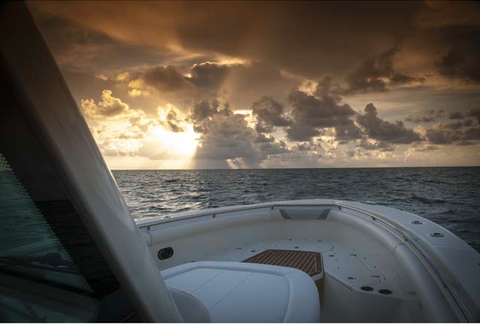
The actuator selected for the Boston Whaler 370 Outrage installation is the FA-400-12, a heavy-duty rod actuator specifically engineered for challenging environments. Unlike lightweight micro linear actuators suitable for indoor applications, this unit features robust construction with corrosion-resistant materials and sealed housings to protect internal components from saltwater intrusion.
Key specifications that make the FA-400-12 suitable for marine table lift applications include a 12V DC operating voltage (compatible with standard marine electrical systems), substantial force capacity to handle table weight plus loads, and IP65 or better ingress protection rating. The rod-style design provides a rigid, stable lifting platform that resists lateral forces — critical when the boat is underway and experiencing motion.
Dual-Function Design: Dining to Sunbed Transformation
The genius of this installation lies in its ability to serve two completely different purposes with a single piece of furniture. In the raised position, the table sits at standard dining height, providing a stable surface for meals, drinks, or socializing while anchored or at the dock. The bow location offers unobstructed views and excellent ventilation — ideal for outdoor dining.
When lowered, the table descends flush with the surrounding seating or cushions, creating an expanded sunbathing area. This transformation typically occurs in 15-30 seconds depending on the stroke length and actuator speed settings, making it practical to reconfigure the space multiple times during a day on the water.
The mechanism typically involves the actuator mounted beneath the deck, connected to the table pedestal through a lift mechanism. As the actuator extends, it raises the entire table assembly; retraction lowers it back to deck level. The system can be controlled via a simple rocker switch, wireless remote control, or integrated into the boat's central electronics system.

Technical Considerations for Marine Table Lift Installations
Force and Stroke Calculations
Proper actuator selection begins with accurate force calculations. The total load includes the table's weight, the pedestal mechanism, and a safety factor for items that might be placed on the table. For a typical bow table installation, this might range from 100 to 300 pounds depending on table size and construction materials.
The required stroke length determines how much vertical travel the table needs. A standard dining height is approximately 28-30 inches from the deck, so if the lowered position is flush with the deck, you'll need at least that much stroke. Many installations use actuators with 24-30 inch strokes to achieve comfortable dining height.
Force requirements must also account for mechanical advantage in the linkage system. A direct vertical lift requires the actuator to support the full weight, while angled mounting or lever-arm designs can reduce the required actuator force at the cost of increased stroke length.
Power Supply and Electrical Integration
Most recreational boats operate on 12V DC electrical systems, making voltage selection straightforward. However, proper installation requires attention to several electrical considerations:
- Wire Gauge: Heavy-duty actuators can draw 5-10 amps under load, requiring appropriately sized wiring to prevent voltage drop and overheating
- Circuit Protection: Dedicated circuit breakers or fuses protect both the actuator and boat electrical system
- Switch Rating: Control switches must be rated for the actuator's current draw and suitable for marine environments
- Limit Switches: Built-in limit switches prevent over-extension and over-retraction, protecting the mechanism from damage
For installations requiring precise position control or synchronization with other systems, feedback actuators with built-in position sensors can be integrated with control boxes that provide programmable positioning.
Mounting and Mechanical Design
Secure mounting is critical for both performance and safety. The actuator must be mounted to substantial structural members, not just deck surface materials. In fiberglass boats like the Boston Whaler, this typically means through-bolting to reinforced sections of the hull or installing backing plates to distribute loads.
Proper mounting brackets allow for some angular misalignment while maintaining smooth operation. Marine-grade stainless steel hardware (316 grade preferred) prevents corrosion at mounting points, which are often exposed to moisture accumulation.
The table pedestal itself should incorporate guided rods or slides to prevent rotation and maintain stability. Some installations use linear guides or bushings to ensure the table rises vertically without binding, especially important when the boat is experiencing motion from waves.
Advantages Over Manual and Hydraulic Alternatives
Before electric actuators became reliable and affordable, marine table lifts relied on manual mechanisms or hydraulic systems. Manual systems required significant effort to raise heavy tables and often used gas springs or counterweights. These solutions worked but lacked the convenience and precision of electric actuation.
Hydraulic systems, while powerful, introduce maintenance complexity and potential leak points — particularly problematic in a marine environment where contamination can damage pumps and cylinders. Electric linear actuators eliminate hydraulic fluid, reduce component count, and provide cleaner, simpler installations.
Key advantages of electric actuation include:
- Precision Control: Electric actuators can stop at any position along their stroke, allowing intermediate height settings
- Quiet Operation: Modern actuators operate with minimal noise, preserving the peaceful boat environment
- Minimal Maintenance: Sealed units require no routine service beyond occasional cleaning and inspection
- Reliability: Quality electric actuators provide years of trouble-free service in harsh conditions
- Easy Integration: Simple electrical connections make installation and control straightforward
Selecting the Right Actuator for Your Boat Table Lift
While the FA-400-12 represents an excellent choice for applications like the Boston Whaler 370 Outrage, different boat sizes and table configurations may require different actuator specifications. The selection process should consider several factors:
Load Capacity
Always choose an actuator with force capacity exceeding your calculated requirements by at least 25-50%. This safety margin accounts for friction in the mechanism, potential binding, and ensures smooth operation throughout the actuator's service life. For heavier tables or those that might support significant loads (like multiple people leaning on them), industrial actuators with force ratings up to 2,200 lbs are available.
Environmental Protection
Marine applications demand high IP (Ingress Protection) ratings. Look for IP65 minimum, though IP66 or IP68 ratings provide better protection in direct spray or splash zones. The actuator housing should be corrosion-resistant, with stainless steel rods and protective coatings on all metal surfaces.
Speed and Stroke
Faster actuators complete the lift cycle more quickly but may draw more current and generate more noise. Typical lift speeds range from 0.5 to 2 inches per second. Stroke length must accommodate your desired table height plus any clearance needed for the mounting arrangement.
Duty Cycle
Boat table lifts typically operate intermittently — a few cycles per day of use. Most quality actuators easily handle this light duty cycle. However, if your application requires frequent operation or long periods of sustained load, verify the actuator's duty cycle rating matches your requirements.
Installation Best Practices for Marine Applications
Professional installation ensures long-term reliability and safety. While experienced DIYers can tackle these projects, several best practices should be followed:
1. Waterproofing Electrical Connections: Use marine-grade connectors with heat-shrink sealing or silicone conformal coating on all connections. Standard automotive connectors will corrode quickly in marine environments.
2. Providing Drainage: Design the installation so water cannot pool around the actuator or in any enclosed spaces. Drain holes in any covers or housings prevent water accumulation.
3. Testing Under Load: Before final assembly, test the system under full expected load to verify smooth operation and identify any binding or alignment issues.
4. Incorporating Limit Switches: While many actuators include internal limit switches, external limits can provide additional protection for the table and surrounding structure.
5. Documenting the Installation: Photograph and document the installation, including wire routing, connection locations, and any special procedures. This proves invaluable for future maintenance or troubleshooting.
Maintenance and Longevity in Saltwater Environments
Proper maintenance extends actuator life significantly in marine applications. Even sealed, corrosion-resistant units benefit from periodic attention:
Rinse the actuator with fresh water periodically, especially after exposure to salt spray. Wipe down external surfaces and check for any signs of corrosion at mounting points or on the rod. A thin film of marine-grade silicone spray on the exposed rod can provide additional protection, though avoid over-application which can attract dirt.
Inspect electrical connections annually, looking for corrosion or moisture intrusion. Re-seal any compromised connections immediately. Check mounting brackets and hardware for tightness and corrosion, replacing any fasteners showing degradation.
Listen for unusual sounds during operation, which might indicate internal wear or moisture penetration. If operation becomes sluggish or jerky, investigate immediately rather than allowing minor issues to develop into failures.
Beyond Tables: Other Marine Automation Applications
The same technology enabling boat table lifts opens possibilities for numerous other marine automation projects. Electric actuators are increasingly used for:
- Hatch Lifts: Automated engine compartment hatches, storage lockers, and deck access panels provide convenient, one-handed operation
- Adjustable Seating: Helm seats and lounge areas that adjust for different users or convert between configurations
- Shade Systems: Retractable bimini tops and sun shades that deploy automatically
- Swim Platforms: Adjustable platforms that lower for easy water access and raise for travel
- Entertainment Systems: Similar to residential TV lifts, marine installations hide screens when not in use
Each application requires careful consideration of loads, environmental exposure, and operational requirements, but the fundamental engineering principles remain consistent.
Conclusion
The Boston Whaler 370 Outrage bow table lift demonstrates how electric linear actuators solve real-world space constraints in recreational boating. By transforming a single deck area between dining and sunbathing functions, this installation maximizes the utility of premium bow space while maintaining the clean aesthetics Boston Whaler is known for.
The reliability of modern electric actuators, combined with proper component selection and installation practices, delivers years of maintenance-free operation even in harsh saltwater environments. As boat builders and owners increasingly recognize these benefits, automated table lifts are transitioning from luxury features to expected amenities on quality vessels.
For those planning similar projects, careful attention to force calculations, environmental protection, and electrical integration ensures successful installations. Whether tackling a DIY project or working with marine fabricators, understanding these engineering fundamentals leads to better results and longer-lasting systems.
Frequently Asked Questions
What size actuator do I need for a boat table lift?
Actuator selection depends on your table's total weight plus expected loads. For a typical 30-50 pound marine table, a heavy-duty actuator like the FA-400-12 with 400-pound force capacity provides ample safety margin. Measure your table weight, add at least 50 pounds for items that might be placed on it, then multiply by 1.5 to get your minimum actuator force requirement. Also consider stroke length — you'll need enough travel to raise the table from deck level to comfortable dining height, typically 24-30 inches.
Can standard linear actuators withstand saltwater exposure?
Only actuators specifically rated for marine environments should be used in saltwater applications. Look for units with IP65 or higher ratings, stainless steel rods, and corrosion-resistant housings. Standard linear actuators designed for indoor use will fail quickly when exposed to salt spray. Marine-grade units incorporate sealed bearings, special coatings, and protective materials that withstand harsh conditions. Regular fresh water rinsing and basic maintenance extend service life even further.
How do I control a marine table lift actuator?
The simplest control method uses a momentary rocker switch (up/down) wired directly to the actuator. More sophisticated options include wireless remote controls or integration with the boat's central control system. For precise positioning at multiple heights, feedback actuators with position sensors can be paired with programmable controllers. Most installations use 12V DC systems matching the boat's electrical system, requiring appropriately rated marine switches and proper circuit protection.
What maintenance does a marine actuator require?
Marine actuators require minimal but important maintenance. Rinse with fresh water regularly, especially after saltwater exposure, to remove salt deposits. Wipe down the exposed rod and apply a light coating of marine-grade silicone spray. Inspect electrical connections annually for corrosion and re-seal if necessary. Check mounting hardware for tightness and replace any corroded fasteners. Listen for unusual operational sounds that might indicate wear. With proper care, quality marine actuators provide years of reliable service without requiring internal maintenance or rebuilding.
Can I install a table lift actuator myself?
DIY installation is feasible for those with basic electrical and mechanical skills, though professional installation ensures optimal results. Key requirements include ability to safely work with 12V DC electrical systems, proper tools for mounting to structural components, and understanding of load calculations and actuator selection. The installation involves securing the actuator to reinforced areas of the boat structure, running protected wiring to a control switch and power source, and ensuring proper alignment for smooth operation. If you're uncomfortable with any aspect — particularly structural mounting or electrical work — consult with a marine fabricator or electronics installer. Improper installation can compromise safety and void warranties.


