Can a Regular TV Be Used Outdoors?
The dream of outdoor entertainment — watching the big game on your patio, enjoying a movie under the stars, or creating the ultimate backyard theater — often begins with a simple question: can I use my regular indoor TV outside? The answer is more nuanced than a simple yes or no, and understanding the engineering realities behind outdoor electronics can save you thousands of dollars while helping you make the right choice for your specific situation.
🎥 Video — Can a regular TV be used outdoors?
After more than 15 years of developing motion control solutions for TV installations, including our specialized outdoor TV lifts, FIRGELLI Automations has conducted extensive real-world testing in some of the harshest climates in North America. Our ongoing field test in the Pacific Northwest — one of the wettest regions in the United States — has proven that regular TVs can survive outdoors for five years and counting, but only when properly protected. The key isn't the TV itself; it's the engineering of the protective enclosure and the mechanical system that shields it from the elements.
This comprehensive guide explores the technical considerations, practical solutions, and cost-effective strategies for bringing your viewing experience outdoors, whether you're a DIY enthusiast planning a weekend project or a homeowner evaluating professional installation options.
Understanding Why Regular TVs Fail Outdoors
Consumer electronics designed for indoor use are engineered with specific environmental assumptions: controlled temperature, low humidity, no direct water exposure, and minimal UV radiation. When these conditions change, several failure modes become probable.
Moisture infiltration is the primary killer of outdoor electronics. Modern flat-panel TVs contain sensitive circuitry with tight component spacing. Even small amounts of condensation can create conductive paths between traces on circuit boards, leading to shorts and permanent damage. The LCD or OLED panels themselves are particularly vulnerable — moisture ingress can cause delamination, cloudiness, and pixel failure.
Temperature extremes create thermal stress on components. Consumer TVs typically operate within a range of 32°F to 95°F (0°C to 35°C). Below freezing, LCD response times slow dramatically, and the liquid crystal itself can freeze. Above the upper threshold, electronic components age rapidly, capacitors dry out, and LED backlighting degrades faster. Thermal cycling — the repeated expansion and contraction as temperatures fluctuate — can crack solder joints and cause connection failures.
UV radiation degrades plastics and affects display performance over time. The sun's ultraviolet rays can cause discoloration of the bezel, brittleness in plastic components, and reduced image quality as screen coatings break down. This is why dedicated outdoor TVs use UV-resistant materials and coatings.
Insect and pest intrusion might seem minor but can cause catastrophic failures. Small insects can enter ventilation ports and create nests near warm components, blocking airflow and potentially causing shorts. We've documented cases where spider webs bridged electrical contacts, causing failures.
The FIRGELLI Outdoor TV Cabinet Solution: Engineering Protection
Our approach to outdoor TV viewing solves the environmental challenges through mechanical engineering rather than expensive ruggedized displays. The outdoor TV cabinet system we've developed incorporates a motorized TV lift mechanism within a weatherproof enclosure, providing complete protection when the TV isn't in use while maintaining convenient access.

Material Engineering and Construction
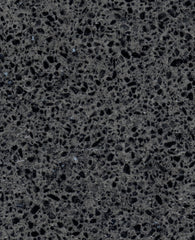
The cabinet construction uses the same high-density polyethylene (HDPE) found in premium outdoor furniture, marine applications, and commercial plant containers. This material choice is deliberate: HDPE offers exceptional UV resistance, won't crack or fade in sunlight, remains stable across temperature extremes from -40°F to 140°F, and requires no maintenance or refinishing. The dark grey stone texture finish matches most outdoor décor while providing additional UV protection.
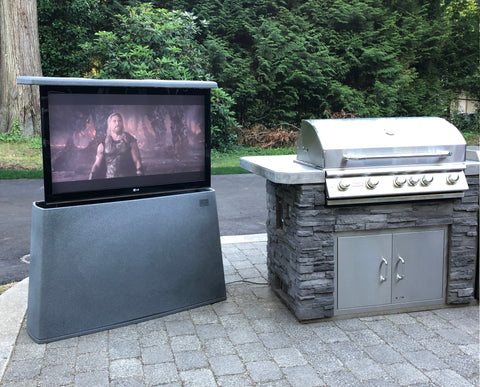
The cabinet's waterproof seal system uses marine-grade gaskets at all closure points. When the TV is retracted, the unit achieves an IP65 rating equivalent — protecting against water jets from any direction and completely sealed against dust ingress. This level of protection is critical in coastal environments or regions with heavy rainfall.
Integrated TV Lift Mechanism
The heart of the system is our proprietary TV lift mechanism, developed specifically for outdoor applications. The lift uses heavy-duty linear actuators that provide smooth, reliable motion even after years of exposure to temperature variations and humidity. The actuator components are protected within the sealed cabinet environment, ensuring long-term reliability.
The lift mechanism accommodates TVs up to 50 inches and supports weights appropriate for modern flat-panel displays. Operation is controlled via included RF remote control, allowing convenient operation from typical viewing distances, plus a wired backup control. The RF frequency provides reliable operation through walls and at distances up to 30 feet, useful for controlling the TV from inside your home.
Safety Features and Engineering
The cabinet lid design incorporates an innovative magnetic attachment system that serves dual purposes. During normal operation, powerful magnets hold the lid securely to the lift mechanism, so it raises and lowers in sync with the TV. However, if an obstruction is detected — such as a child's hand or debris — the magnetic force releases before injury can occur. The lid pops off cleanly, stopping the mechanism immediately through the integrated safety circuits.
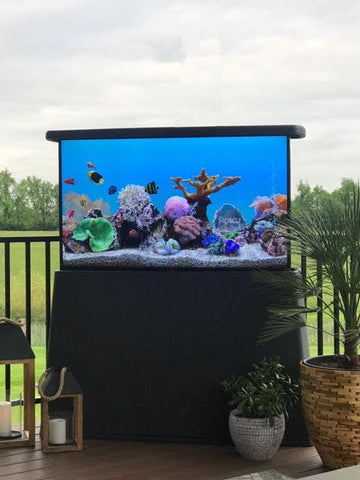
This approach provides safety without complex sensors that could fail in outdoor conditions. After removing the obstruction, simply repositioning the lid restores normal function. The lid also provides partial shade for the screen during use, reducing glare and extending the TV's operational life by limiting direct sun exposure on the display.
Structural Stability
The cabinet's low center of gravity and substantial base footprint ensure stability in wind. The design has been tested to remain upright in winds up to 40 mph with the TV fully raised — important for exposed locations. The cabinet weighs approximately 85 pounds empty, providing additional stability, and the wide base prevents tipping even on slightly uneven surfaces.
Real-World Testing Results: Five Years and Counting
Our ongoing field test provides valuable data about regular TV longevity in protected outdoor installations. Located near Seattle in the Pacific Northwest — a region receiving 35-50 inches of annual rainfall with frequent overcast conditions, high humidity, and temperature swings from below freezing to 90°F — this represents one of the most challenging environments for electronics in the continental United States.
The test TV is a standard consumer model, not rated for outdoor use, installed in our outdoor TV cabinet since 2015. As of 2020, the unit continues operating without degradation in picture quality, sound, or functionality. The TV has experienced thousands of lift cycles, exposure to humidity levels regularly above 80%, and seasonal temperature variations of over 100°F range.
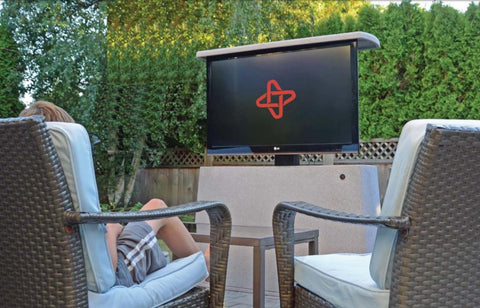
The key to this longevity is simple: the TV is only exposed to the elements during actual use. When viewing concludes, the motorized lift retracts the TV into the sealed cabinet where it's protected from rain, temperature extremes, UV exposure, and insects. The TV essentially lives in a controlled micro-environment, experiencing outdoor conditions for only a few hours at a time rather than continuous exposure.
This testing confirms what engineering principles predict: proper enclosure design can extend consumer electronics far beyond their intended environmental specifications. The cost savings are significant — a $500 consumer TV protected in a $2,000 cabinet system offers better value than a $4,000+ outdoor-rated display.
Comparing All Outdoor TV Viewing Options
Before investing in outdoor entertainment infrastructure, understanding all available approaches helps optimize the decision for your specific needs, budget, and viewing patterns.
Dedicated Outdoor Televisions
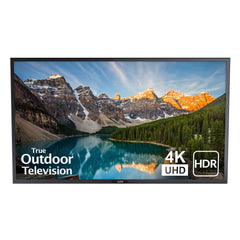
Outdoor-rated TVs like the SunBrite series are engineered specifically for permanent exterior installation. These units feature reinforced weatherproof enclosures rated to IP68 or similar standards, anti-glare screens optimized for bright daylight viewing, extended operating temperature ranges from -40°F to 140°F, and sealed ports for all connections.
The advantages are straightforward: permanent installation without daily setup, no moving parts to maintain, and warranties that cover outdoor use. However, significant disadvantages exist. Prices run $3,000-$6,000 for 50-inch models — approximately 6-10 times the cost of equivalent indoor TVs. Exposed screens require frequent cleaning as dust, pollen, and water spots accumulate. The permanent exterior mounting creates theft concerns, as these expensive units are obviously valuable. And despite weatherproofing, UV exposure gradually degrades display quality over 3-5 years.
Outdoor TVs make sense for commercial applications like restaurants or bars where the TV remains on most of the day, for covered locations like deep patios or gazebos where weather exposure is minimal, or when budget isn't a primary constraint.
Protected Cabinet Systems with Motorized Lifts
Cabinet systems with integrated TV lifts represent the middle ground between outdoor TVs and DIY solutions. These systems protect regular consumer TVs in weatherproof enclosures, using electric actuators to raise and lower the display as needed.
The advantages include substantial cost savings — using a $500 regular TV instead of a $4,000 outdoor model. The TV remains protected when not in use, dramatically extending lifespan while reducing theft risk since the TV is hidden when retracted. Modern cabinet designs integrate with outdoor décor rather than appearing industrial. The motorized convenience through remote control matches the ease of dedicated outdoor TVs.
Considerations include the initial cabinet investment of $1,500-$2,500, moving parts that require occasional maintenance, and a larger footprint than a wall-mounted TV. However, for most residential applications, this approach offers the best balance of cost, convenience, and TV longevity.
Outdoor Projection Systems
Projectors with portable or permanent outdoor screens represent a third option, particularly popular for occasional use or movie-night events.
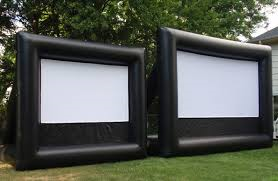
Advantages include very large screen sizes (100+ inches) at reasonable cost, portability for event-based use, and relatively low equipment cost compared to large outdoor TVs. Modern projectors offer 3,000+ lumens brightness, adequate for evening viewing.
However, limitations are significant. Daytime viewing is poor even with high-lumen projectors — ambient light simply overwhelms the image. Portable screens are unstable in wind, often requiring guy-lines or weighted bases. Setup and takedown add 15-30 minutes before and after each use. Sound systems require separate speakers since most projectors have inadequate built-in audio. And projector maintenance includes periodic bulb replacement at $200-$400.
Projection works well for occasional movie nights, seasonal outdoor events, or situations where massive screen size is the priority. For regular viewing or daytime use, other solutions are more practical.
Installation Considerations and Technical Requirements
Successfully implementing an outdoor TV system requires attention to several technical factors beyond simply choosing equipment.
Power Supply Requirements
Outdoor TV systems require reliable electrical power, ideally through dedicated weatherproof outlets. The TV itself draws 80-150 watts depending on size and model. If using a motorized lift system, the linear actuators require additional power during operation — typically 200-400 watts during the lift cycle, though only for 10-20 seconds at a time.
GFCI (Ground Fault Circuit Interrupter) protection is essential for any outdoor electrical installation. This safety device detects ground faults and cuts power within milliseconds, preventing shock hazards. Consider installing a dedicated 20-amp circuit for the outdoor TV system, avoiding shared circuits with high-draw appliances that might cause voltage fluctuations affecting picture quality.
Placement and Viewing Angles
Screen positioning dramatically affects viewing experience. Consider sun position throughout the day and across seasons. South-facing installations in the Northern Hemisphere receive maximum sun exposure, creating glare issues. North-facing positions reduce glare but may be darker. East and west exposures get direct sun for portions of the day.
Viewing height should position the screen center at seated eye level, typically 42-48 inches above the deck or patio surface for most seating. Cabinet-style lifts inherently optimize this relationship, while wall-mounted outdoor TVs require careful measurement during installation.
Viewing distance follows the same rules as indoor installations. For 1080p resolution, comfortable viewing distance is roughly 1.5-2 times the screen diagonal. A 50-inch TV works well at 6-8 feet viewing distance. For 4K resolution, you can sit closer — about 1-1.5 times the diagonal — without perceiving individual pixels.
Connectivity and Signal Distribution
Getting video signals to outdoor TVs requires planning. Options include long HDMI cables run through conduit (limited to 50 feet for reliable 4K signals), HDMI over Cat6 extenders (supporting 4K up to 150+ feet), wireless HDMI systems (convenient but potentially less reliable), or streaming devices connected directly at the outdoor TV location.
For cabinet systems with lift mechanisms, route cables to avoid interference with moving parts. Use service loops to provide slack during TV movement, and secure cables with appropriate strain relief to prevent damage during lift cycles.
Maintenance and Longevity Strategies
Proper maintenance extends the life of outdoor TV installations regardless of which approach you choose.
Regular Cleaning
For exposed outdoor TVs, clean the screen weekly during high-use seasons. Use microfiber cloths and screen-safe cleaning solutions — avoid ammonia-based cleaners that can damage anti-reflective coatings. Clean the cabinet exterior monthly to prevent buildup of organic material that could hold moisture.
For cabinet systems, the protected TV requires minimal cleaning, but inspect and clean the cabinet gaskets quarterly. Remove any debris from seal surfaces to maintain waterproof integrity.
Mechanical System Maintenance
TV lift mechanisms using linear actuators require minimal maintenance, but periodic inspection ensures long-term reliability. Check mounting brackets for tightness annually — vibration during operation can gradually loosen hardware. Listen for unusual sounds during operation that might indicate binding or wear. Verify the safety release system (in cabinets so equipped) functions properly.
The actuators themselves are typically sealed units requiring no lubrication. If your system uses slide rails or linear guides, light lubrication with silicone-based lubricant once annually keeps motion smooth.
Seasonal Considerations
In regions with harsh winters, consider winterizing outdoor TV systems during extended non-use periods. For cabinet systems, retract the TV and consider disconnecting power to the lift mechanism if the system won't be used for months. This prevents nuisance tripping of breakers during winter storms and eliminates standby power draw.
For exposed outdoor TVs in freezing climates, some manufacturers recommend adding supplemental heating elements to maintain minimum operating temperatures. Consult manufacturer specifications for your specific model.
Cost Analysis: Total Ownership Comparison
Understanding the complete cost picture helps make informed decisions. Consider not just initial purchase but five-year total cost of ownership:
Dedicated Outdoor TV: Initial cost $3,500-$5,000 for 50-inch model, cleaning supplies $50/year, potential screen replacement after 5 years $3,500, five-year total approximately $4,000-$5,500 assuming no replacement needed.
Protected Cabinet System: Cabinet with lift mechanism $2,000, regular TV $500, power supply and installation $300, five-year total approximately $2,800 with minimal maintenance costs.
Projection System: Projector $800-$1,500, screen $300-$800, sound system $400, projector bulb replacement (2x) $600, five-year total approximately $2,500-$3,700.
The protected cabinet approach offers the best value for regular year-round use, combining reasonable initial cost with minimal operating expenses and long TV lifespan. Projection systems have lower entry cost but higher operating expenses and limitations. Dedicated outdoor TVs provide convenience at premium pricing.
DIY Solutions and Custom Builds
For makers and DIY enthusiasts, building custom outdoor TV enclosures is possible, though it requires woodworking skills and attention to weatherproofing details. Custom builds allow size optimization for specific TV models and integration with existing outdoor furniture or structures.
Key considerations for DIY enclosures include material selection — marine-grade plywood, cedar, or composite decking materials resist weather better than standard lumber. All joints must be sealed with marine-grade sealant. Consider adding weatherstripping around any doors or lids. Internal ventilation is critical to prevent condensation — passive vents with insect screening allow air circulation.
Adding a motorized lift to a DIY enclosure is feasible using standalone TV lift mechanisms. These systems include the linear actuators, mounting hardware, and control box needed for operation. Ensure your enclosure design provides adequate clearance for the lift mechanism and accounts for the weight of both the TV and lift system.
Conclusion: Making the Right Choice for Your Outdoor Entertainment
Using a regular TV outdoors is not only possible but can be the most cost-effective solution when properly protected. The key insight from our years of engineering experience and real-world testing is simple: environmental protection is more important than ruggedized components. A $500 consumer TV in a properly designed protective enclosure will outlast and outperform a $4,000 outdoor-rated TV in most residential applications.
The cabinet approach with integrated TV lift mechanism offers the optimal balance of cost, convenience, security, and TV longevity. The TV remains protected when not in use, eliminating exposure to rain, UV radiation, temperature extremes, and theft risk. When you want to watch, a simple button press raises the TV to perfect viewing height. The system requires minimal maintenance while providing years of reliable outdoor entertainment.
Whether you're planning weekend barbecues with friends, creating an outdoor home theater, or simply wanting to enjoy the game while relaxing on your patio, understanding the engineering realities behind outdoor TV installations helps you make informed decisions that balance performance, cost, and longevity.
Frequently Asked Questions
Will a regular TV survive if it gets rained on?
No, a regular indoor TV will fail quickly if directly exposed to rain. Modern flat-panel TVs are not waterproof and contain sensitive electronics that short circuit when water penetrates the enclosure. Even light rain can cause permanent damage within hours or days. However, a regular TV can last many years outdoors if properly protected in a weatherproof enclosure or cabinet that shields it from direct water exposure. Our testing shows regular TVs can survive 5+ years in wet climates when protected in sealed cabinets with TV lift mechanisms that keep them covered when not in use.
How much does it cost to set up an outdoor TV system?
The cost varies significantly by approach. A dedicated outdoor-rated TV runs $3,500-$5,000 for a 50-inch model, plus installation costs. A protected cabinet system with motorized lift and regular TV costs approximately $2,500-$3,000 total, including the cabinet ($2,000), regular TV ($500), and installation. A projection system ranges from $1,500-$3,000 depending on projector quality and screen type. For most homeowners, the cabinet approach offers the best value, providing protection for an affordable consumer TV while adding convenient motorized operation through linear actuators.
Can an outdoor TV be left outside year-round?
Dedicated outdoor TVs are designed for year-round exterior mounting in temperature ranges from -40°F to 140°F, though extreme temperature cycles will gradually reduce lifespan. For cabinet systems using regular TVs, year-round installation is fine as long as the TV remains retracted in the sealed cabinet when not in use — this protects it from temperature extremes and weather. In harsh winter climates, disconnecting power during extended non-use periods (several months) can prevent issues, but the cabinet itself can remain outdoors indefinitely. Our field testing in the Pacific Northwest confirms that properly protected regular TVs survive year-round outdoor installation spanning multiple seasons without degradation.
How bright does an outdoor TV need to be for daytime viewing?
Outdoor TVs designed for direct sun viewing typically offer 700-1,000 nits brightness, compared to 300-500 nits for indoor TVs. However, brightness alone doesn't solve the daytime viewing challenge — screen placement and shade are equally important. For regular TVs in protected cabinets, the cabinet lid provides partial shade that significantly improves daytime viewing. Position the installation to avoid direct afternoon sun on the screen. For best daytime performance, create additional shade with umbrellas, pergolas, or strategic placement under eaves. Evening and night viewing presents no brightness challenges for any TV type. If daytime viewing in direct sun is your primary use case, a dedicated high-brightness outdoor TV is the better choice.
What maintenance does an outdoor TV system require?
Maintenance requirements depend on your system type. Exposed outdoor TVs require weekly screen cleaning during high-use seasons to remove dust, pollen, and water spots, plus quarterly inspection of weatherproof seals and connections. Cabinet systems with TV lifts require minimal maintenance: quarterly inspection of cabinet gaskets to ensure waterproof integrity, annual check of mounting brackets for tightness, and verification that the motorized lift operates smoothly without binding. The protected TV itself rarely needs cleaning since it's enclosed when not in use. Check that the remote control batteries are fresh and that all electrical connections remain secure. Overall, cabinet systems require significantly less maintenance than exposed outdoor TVs.
What size TV works best for outdoor viewing?
TV size selection for outdoor use follows the same general principles as indoor installations, based on viewing distance and resolution. For typical patio viewing distances of 8-12 feet, a 50-55 inch TV provides comfortable viewing for groups of 4-8 people. Larger sizes up to 65-75 inches work well for bigger spaces or larger groups, though cabinet systems may require custom sizing for TVs above 55 inches. Consider that outdoor viewing often involves larger groups at varying distances, so erring toward larger sizes improves the experience. Also factor in your space constraints — the cabinet or mounting system must fit your available patio or deck area while maintaining stability. Our outdoor TV cabinet with integrated TV lift is optimized for 50-inch displays, balancing screen size, cabinet footprint, and structural stability.


