Automating Truck Tonneau Covers with Electric Actuators
Truck tonneau covers have become increasingly sophisticated, evolving from simple manual tarps to engineered hardcovers with gas spring assistance. However, even gas spring-assisted covers require physical effort to open and close—an inconvenience that becomes particularly noticeable when your hands are full of cargo, during inclement weather, or when accessing your truck bed multiple times throughout the day. The solution? Converting your tonneau cover to full electric automation using linear actuators and wireless remote control.
🎥 Video — Color Matched and Automated Tonneau Cover Electric Lift
This comprehensive guide details a successful tonneau cover automation project completed by one of our customers, who transformed their show truck's manual tonneau cover into a fully automated system using FIRGELLI components. What makes this project particularly noteworthy is its simplicity—the entire conversion took just a few hours and required only basic tools and mechanical knowledge. Whether you're building a show vehicle or simply want the convenience of remote-controlled bed access, this approach demonstrates how accessible electric actuation technology has become for automotive DIY projects.
The conversion replaces traditional gas springs with electric linear actuators, enabling one-touch operation via key fob. This isn't just about convenience; it's about transforming how you interact with your truck. The system provides consistent, controlled motion regardless of temperature, eliminates the physical strain of lifting heavy covers, and adds a premium feature typically found only on high-end commercial vehicles.

Project Overview and Components Required
This tonneau cover automation project utilized a straightforward component list, demonstrating that sophisticated automation doesn't require complex systems. The entire installation can be completed with components totaling under $500, depending on actuator specifications and control system choices. Here's what was used in this specific build:
- Two 12-inch stroke light duty rod actuators rated at 150 lbs force each
- 2-channel remote control system with key fob transmitter
- MB1 mounting brackets for secure actuator attachment
- Basic wiring supplies and connections to truck battery
The choice of 12-inch stroke actuators was determined by the specific geometry of this tonneau cover—the distance the cover needed to travel from fully closed to fully open position. Stroke length is the most critical specification when selecting actuators for any application, as it directly determines the range of motion. For tonneau covers, typical stroke requirements range from 10 to 16 inches depending on cover design, bed depth, and desired opening angle.
The 150 lb force rating provides more than adequate lifting capacity for most hardcover tonneau systems. Standard fiberglass or aluminum tonneau covers typically weigh between 50-100 lbs, meaning each actuator in this dual-actuator setup is working well within its capacity. This safety margin ensures smooth operation, longevity, and reliable performance even as components age or in cold weather conditions that might affect mechanical efficiency.
Single vs. Dual Actuator Configuration
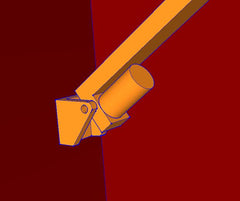
One of the key decisions in this project was implementing a dual-actuator system rather than a single-actuator configuration. While a single centrally-mounted actuator supplemented with the original gas springs would provide adequate functionality, the dual-actuator approach offers several advantages, particularly for show vehicles or applications demanding premium aesthetics and performance.
Advantages of Dual Actuator Systems
Dual actuator configurations provide balanced lifting force across the entire width of the tonneau cover, eliminating any twisting or binding that might occur with off-center loads. This is particularly important for wider truck beds where a single actuator might create uneven stress on the cover hinges. The synchronized motion of two actuators ensures the cover rises and lowers in a perfectly horizontal plane, which not only looks more professional but also reduces wear on all mechanical components.
From a reliability standpoint, having two actuators means each unit operates at roughly 50% of its capacity rather than pushing a single actuator closer to its limits. This reduced mechanical stress translates directly to longer component life and more consistent performance over tens of thousands of operation cycles. Additionally, the parallel wiring configuration means both actuators receive identical electrical signals, ensuring synchronized movement without complex control systems.
When Single Actuator Systems Work
For budget-conscious builders or trucks with narrower beds, a single centrally-mounted actuator combined with retained gas springs represents a perfectly viable solution. This hybrid approach reduces cost and complexity while still providing electric convenience. The gas springs handle a portion of the weight and help maintain stability, while the electric actuator provides the controlled, remote-operated motion. This configuration works best with lighter tonneau covers and when the actuator can be mounted along the cover's centerline.
Installation Process: Step-by-Step
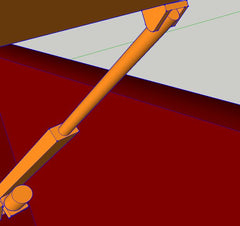
The installation process for automating a tonneau cover follows a logical sequence that minimizes trial and error. The key is careful measurement and positioning before drilling any permanent mounting holes. This methodical approach ensures proper actuator geometry and eliminates the need for modifications after installation.
Preparing for Installation
Before beginning physical installation, remove the existing gas springs from your tonneau cover system and carefully measure the mounting points. These gas spring locations provide excellent reference points for actuator placement, as they're already positioned for optimal mechanical advantage. However, don't assume you'll use the exact same mounting points—electric actuators have different geometric requirements than gas springs due to their greater extended length and mounting hardware.
With the gas springs removed, operate the cover manually to understand its weight distribution and balance points. This hands-on assessment helps you anticipate how the actuators will need to work and confirms that your chosen stroke length will be adequate. Take measurements of the distance from potential mounting points to the cover in both fully closed and desired open positions—these measurements are critical for verifying actuator stroke requirements.
Mounting Bracket Installation
The MB1 mounting brackets used in this project provide the secure connection points between actuators and vehicle structure. Begin by mounting the brackets to the truck bed wall—this is your fixed, stable mounting point. Position these brackets so that when the actuators are fully retracted, they align properly with the corresponding mounting points on the tonneau cover.
A critical installation tip discovered during this project: attach the mounting bracket to the actuator shaft before mounting to the truck bed. With both ends of the actuator already equipped with brackets, position the actuator with its shaft fully retracted until it hits the internal limit switch. This ensures you're positioning everything based on the actuator's actual closed position, not an estimated position. This step alone can save hours of adjustment and prevent the frustrating scenario of drilling holes only to discover misalignment.
Lid Bracket Positioning Technique
Positioning the brackets on the tonneau cover lid itself requires precision but uses a clever technique to ensure accuracy. With the rear bed-mounted brackets and actuators in position (actuators fully retracted), carefully lower the tonneau cover to its closed position. The actuators will now be trapped between the bed wall and the underside of the cover, with the lid-side brackets positioned but not yet attached.
Here's where a flashlight and some patience pay off: climb into the truck bed with the cover closed above you. From this inside position, you can now precisely position each bracket against the underside of the tonneau cover, ensuring the actuator is at the optimal angle and position. Use a felt marker or pencil to mark the bracket hole locations directly onto the cover material. This inside-out approach eliminates guesswork and ensures perfect alignment because you're marking the actual position rather than measuring and calculating from the outside.
Once holes are marked, raise the cover and drill the mounting holes. The specific drill bit size will depend on your mounting hardware, but typically 1/4-inch or 5/16-inch holes are appropriate for the bolts used with MB1 brackets. When drilling into fiberglass or composite tonneau materials, use appropriate drill speeds and back the material with a wood block to prevent delamination or cracking as the bit breaks through.
Final Assembly and Connection
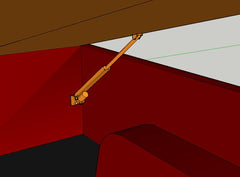
With all brackets securely bolted in place, the final mechanical assembly involves connecting the actuator shafts to the lid-mounted brackets using clevis pins. Lower the tonneau cover one final time, climb into the bed with your clevis pins, and insert them through the bracket and actuator shaft holes. Most actuators come with clevis pins and retaining clips—ensure these clips are properly seated to prevent pins from working loose during operation.
Test the mechanical installation before proceeding to electrical connections by manually extending and retracting the actuator shafts. The cover should move smoothly through its entire range of motion without binding, unusual angles, or stress points. If you notice any binding, now is the time to adjust bracket positions or actuator mounting angles. The geometry should allow the actuators to work through their full stroke while maintaining reasonable angles—extreme angles can reduce efficiency and accelerate wear.
Electrical Wiring and Control System Integration
The electrical aspect of this project proves far simpler than many DIYers anticipate. The 2-channel remote control system used here provides wireless operation without requiring complex wiring or programming. Understanding the basic electrical principles ensures safe, reliable operation and makes troubleshooting straightforward should issues arise.
Parallel Wiring Configuration
Both actuators in this installation are wired in parallel to the control system, meaning they receive identical electrical signals simultaneously. This parallel configuration is the standard approach for synchronized actuation—when the control box sends power to extend the actuators, both units extend together. When polarity reverses to retract the actuators, both retract together. This inherent synchronization requires no programming or complex electronics.
To wire actuators in parallel, connect the positive wire from actuator #1 to the positive wire from actuator #2, then connect this junction to the positive output from the control box. Repeat this process for the negative wires. This creates a single electrical circuit with two actuators drawing power simultaneously. Ensure your control box is rated for the combined current draw of both actuators—most 2-channel systems easily handle two light-duty actuators.
Power Supply and Battery Connection
The control system connects directly to the truck's battery, providing the 12V DC power required for actuator operation. This direct battery connection is standard practice for automotive applications and eliminates concerns about finding appropriate power taps in the vehicle's electrical system. Use appropriately sized wire—typically 16 or 14 AWG—and include an inline fuse (15-20 amp) for overcurrent protection.
Connect the red power wire from the control box to the positive battery terminal and the black wire to the negative terminal or a good chassis ground point. Many installers prefer to use quick-disconnect connectors at the battery to facilitate future maintenance. Ensure all connections are secure, properly insulated, and routed away from moving parts or heat sources. The control system can be mounted anywhere in the truck bed area that provides protection from water and physical damage.
Remote Control Pairing and Operation
The wireless key fob transmitter must be paired with the receiver control box according to the manufacturer's instructions—typically a simple button-press sequence. Once paired, test the system before finalizing all wiring. The key fob should provide reliable operation from at least 30-50 feet away, allowing you to open the tonneau cover as you approach your truck.
Most 2-channel systems assign one button to "open" (extend actuators) and another to "close" (retract actuators). The built-in limit switches in the actuators automatically stop motion when fully extended or retracted, preventing over-travel and eliminating the need for external limit switches. This automatic stopping function is critical for safe, reliable operation and protects both the actuators and your tonneau cover from damage.
Actuator Selection Considerations for Tonneau Covers
While this project successfully used 12-inch stroke, 150 lb force actuators, understanding how to select appropriate actuators for your specific application ensures optimal results. Several key specifications determine whether an actuator will work effectively in a tonneau cover application.
Stroke Length Determination
Stroke length—the distance the actuator shaft travels from fully retracted to fully extended—must match your tonneau cover's motion requirements. Measure the vertical distance from your mounting point on the bed wall to the mounting point on the closed cover, then measure the same distance when the cover is at your desired open angle. The difference between these measurements, plus approximately 10% margin, determines your minimum required stroke length.
Common stroke lengths for tonneau cover applications range from 10 to 16 inches. Longer strokes allow the cover to open to greater angles, providing better bed access but requiring more mounting space when fully extended. Shorter strokes are more compact but may not provide adequate opening for convenient bed access. When in doubt, err on the side of slightly longer stroke—you can always limit the open position, but you can't extend an actuator beyond its design stroke.
Force Rating Requirements
Force rating indicates how much weight an actuator can push or pull. For tonneau covers, calculate the weight of your cover and add a safety factor of at least 50%. If your cover weighs 80 lbs and you're using two actuators, each actuator experiences approximately 40 lbs of load—well within the 150 lb rating used in this project. However, remember that the actual force required varies throughout the lifting motion based on geometry and mechanical advantage.
Light-duty linear actuators with force ratings from 100 to 225 lbs are typically ideal for tonneau cover applications. Higher forces aren't just about lifting heavier covers—they also provide faster motion speeds and better performance in cold weather when lubrication becomes less effective. Standard actuator speeds range from 0.5 to 2 inches per second; faster actuators complete the lifting cycle more quickly but draw more current.
Environmental Protection Ratings
Tonneau cover actuators operate in demanding environments—exposed to temperature extremes, moisture, road salt, and dust. Industrial-grade actuators with IP65 or IP66 ratings provide adequate protection for automotive applications, with sealed housings that prevent water and contaminant ingress. While the actuators mount inside the truck bed and receive some protection from the cover itself, they're still exposed to splash, condensation, and road spray.
Look for actuators with corrosion-resistant housing materials, stainless steel shafts, and sealed limit switches. These features ensure reliable operation across temperature ranges from -20°F to 150°F, typical of automotive environments. Proper installation includes positioning actuators to minimize direct water exposure and ensuring mounting brackets don't create water traps that could lead to corrosion.
Troubleshooting and Optimization Tips
Even well-planned installations occasionally require adjustment or troubleshooting. Understanding common issues and their solutions helps maintain optimal system performance over time.
Synchronization Issues
If actuators don't extend or retract at exactly the same rate, slight differences in mechanical resistance or internal tolerances are likely responsible. This is normal and typically doesn't affect operation—the cover may rise slightly unevenly but should still complete its travel. If the difference becomes pronounced, check that both actuators have the same voltage and that mounting angles aren't creating significantly different load conditions.
For applications demanding perfect synchronization, consider feedback actuators with position sensing. These advanced actuators allow control systems to monitor and adjust each actuator's position in real-time, ensuring perfect synchronized motion regardless of load variations.
Limit Switch Adjustment
Built-in limit switches prevent actuators from over-extending or over-retracting, but they must be properly engaged. If the tonneau cover doesn't close completely or doesn't open fully, verify that actuators can reach their full stroke in both directions. Mechanical interference from brackets or cover geometry might prevent actuators from reaching their limit switches, causing premature stopping.
When installing brackets, ensure the fully retracted actuator can still compress slightly beyond the point where the cover seals against the truck bed. This compression ensures the internal limit switch is engaged and the cover forms a tight seal. Similarly, verify that the fully extended position doesn't mechanically bind before the limit switch engages.
Cold Weather Performance
Electric actuators maintain functionality in cold conditions better than gas springs, which lose significant force in freezing temperatures. However, cold weather can slow actuator motion as lubrication thickens. If you experience sluggish operation in winter, consider switching to synthetic lubricants rated for lower temperatures, or simply accept slightly slower operation—the system will still function reliably.
Battery voltage also drops in cold conditions, potentially affecting actuator performance. Ensure your truck's battery maintains adequate charge, particularly if the vehicle sits unused for extended periods in cold climates. The relatively low current draw of light-duty actuators means even moderate battery condition should provide reliable operation.
Maintenance and Long-Term Care
Properly installed electric tonneau cover systems require minimal maintenance but benefit from periodic inspection and care. Establishing a simple maintenance routine ensures years of reliable, trouble-free operation.
Every few months, visually inspect all mounting points for secure connections and signs of wear or loosening. The constant motion and vibration of vehicle operation can gradually loosen fasteners—a quick check and tightening of bolts prevents problems before they develop. Inspect the actuator shafts for corrosion or damage, and the electrical connections for corrosion or looseness.
Clean exposed actuator shafts periodically with a dry cloth to remove accumulated dust and debris. Don't apply oil or grease to the visible shaft—actuators are sealed units with internal lubrication, and external lubricants simply attract more dirt. If you notice significant contamination or moisture inside mounting areas, improve drainage or add protective covers to prevent long-term corrosion issues.
The control system's wireless receiver should be mounted in a location that minimizes water exposure while maintaining good signal reception. Check that mounting doesn't allow water pooling and that any wiring connections remain dry and secure. Most modern control systems are quite robust, but protecting electronics from sustained moisture exposure extends their operational life.
Frequently Asked Questions
Can I use one actuator instead of two for my tonneau cover?
Yes, a single centrally-mounted actuator can work effectively for tonneau cover automation, particularly when combined with retained gas springs that help support the weight. This hybrid approach reduces cost while still providing electric operation. However, dual actuators provide more balanced lifting force, eliminate potential twisting of the cover, and operate each actuator at lower capacity for increased longevity. For show vehicles or applications demanding premium aesthetics and performance, dual actuators are worth the additional investment. For budget-conscious builders with lighter covers and narrower beds, a single actuator supplemented with gas springs represents a viable solution.
What stroke length do I need for my specific truck?
Stroke length depends on your truck bed depth, tonneau cover design, and desired opening angle. Measure the distance from your planned mounting point on the bed wall to the mounting point on the closed cover, then measure again with the cover at your desired open position. The difference between these measurements determines your minimum stroke requirement. Add approximately 10% margin for optimal geometry throughout the motion. Most tonneau cover applications require between 10 and 16 inches of stroke. If you're unsure, choosing the longer stroke option provides more flexibility—you can limit the opening angle, but you can't extend an actuator beyond its design stroke.
How much force rating do I need for a tonneau cover?
Calculate your tonneau cover's weight and add a 50-100% safety factor. For a typical 80 lb hardcover with two actuators, each actuator handles approximately 40 lbs—well within the capacity of 150 lb rated actuators. Light-duty linear actuators ranging from 100 to 225 lbs force are typically ideal for tonneau applications. Higher force ratings provide faster motion speeds and better cold-weather performance, not just greater lifting capacity. Avoid significantly over-sizing force ratings, as excessive force can damage lighter tonneau covers if the system malfunctions or if manual override is attempted.
Will electric actuators work reliably in cold weather and harsh conditions?
Electric actuators outperform gas springs in cold conditions, maintaining consistent force regardless of temperature. Quality actuators with IP65 or IP66 environmental ratings provide excellent protection against moisture, dust, and temperature extremes from -20°F to 150°F. While cold weather may slightly slow actuator motion as internal lubrication thickens, the system remains fully functional. For harsh climates, choose actuators with stainless steel shafts and corrosion-resistant housings. Proper installation that minimizes direct water exposure and prevents moisture accumulation in mounting areas ensures long-term reliability. The sealed nature of electric actuators makes them far more durable than gas springs, which lose pressure over time and fail completely when seals degrade.
What are the electrical requirements and how do I wire multiple actuators?
Most automotive applications use 12V DC actuators powered directly from the vehicle battery. Wire multiple actuators in parallel—connect positive to positive and negative to negative—so they receive identical signals and move synchronously. Use appropriately sized wire (typically 16 or 14 AWG) and include an inline fuse rated 15-20 amps for overcurrent protection. A 2-channel remote control system provides wireless operation, with the control box connecting directly to the battery and actuators wiring in parallel to the control outputs. Total current draw for two light-duty actuators rarely exceeds 10 amps during operation, well within the capacity of standard automotive wiring and most control systems. The entire electrical installation can be completed with basic wire strippers, crimpers, and electrical tape—no specialized automotive electrical knowledge required.
Can I still open the tonneau cover manually if the system fails?
Yes, electric actuators can be manually overridden in emergency situations, though this requires significant force to back-drive the internal mechanisms. For applications where frequent manual operation might be necessary, consider installing a bypass switch that disconnects power to the actuators, or choose actuators specifically designed with manual override features. However, the reliability of modern electric actuators and control systems makes failures rare. Built-in limit switches and overcurrent protection in quality control systems prevent damage from binding or obstruction. For peace of mind, ensure your installation allows reasonable access to mounting hardware so actuators could be disconnected if absolutely necessary, though this should rarely if ever be required during normal operation.


