
A reliable actuator supplier does more than ship a part. They give you usable drawings, clear wiring, real specifications, support, replacement paths, and honest lead times. Hidden cost usually shows up during integration, not checkout.
What should a supplier provide?
Look for drawings, wiring diagrams, mounting dimensions, force/stroke/speed options, duty cycle information, controller compatibility, and clear support. If you cannot design around the actuator before it arrives, you are taking a risk.
What hidden costs matter?
The actuator price is only one line. Hidden costs include redesigning brackets, buying the wrong controller, waiting for replacements, rewiring, troubleshooting missing feedback signals, and rebuilding the mechanism around dimensions that were never published.
Relevant FIRGELLI products
Which products are worth looking at?
Only use product pages when the hardware actually matches the job. The explanation above should still make sense without buying anything.
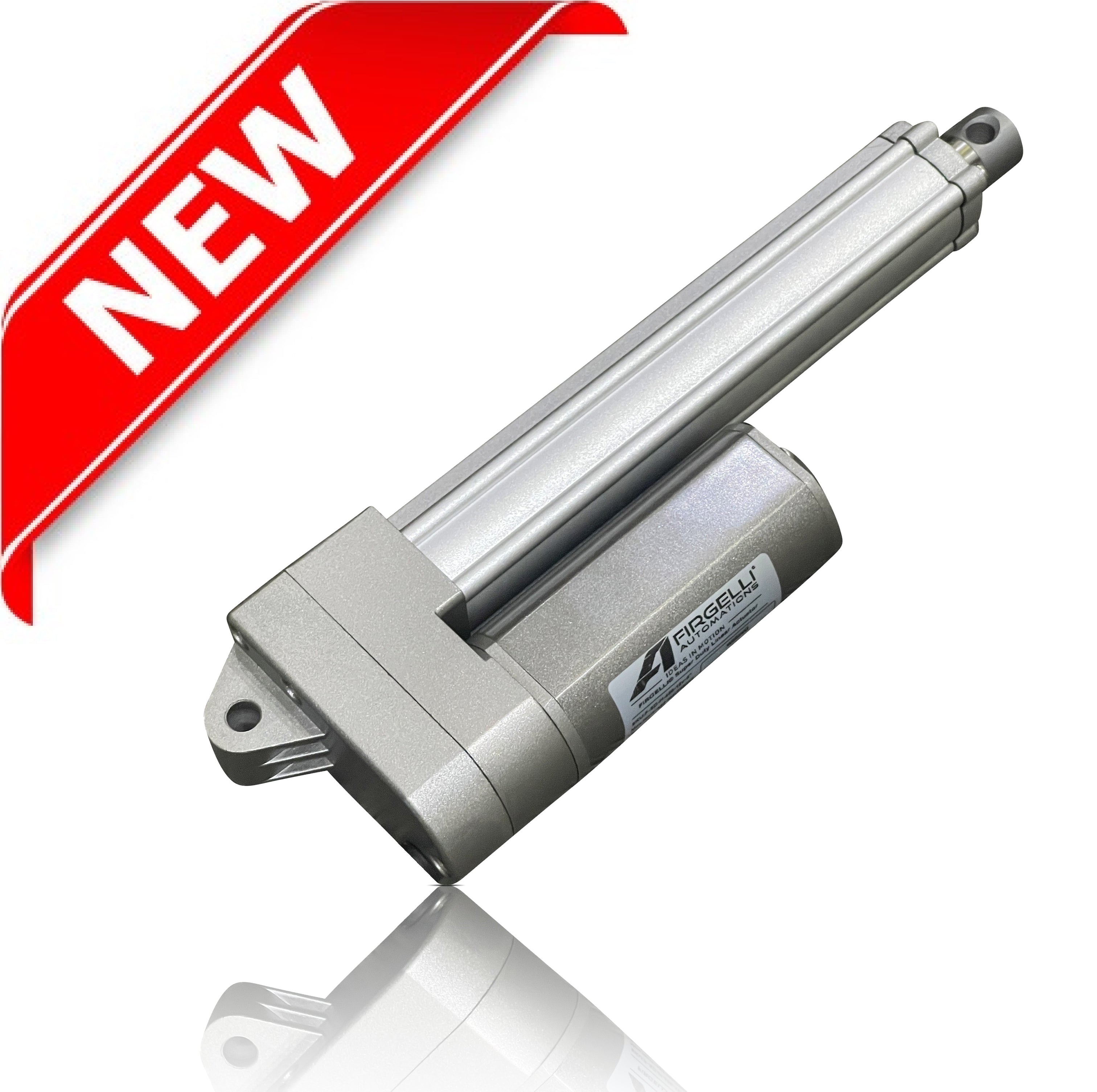
Super Duty Electric Linear Actuator
Use this as an example of a force/stroke actuator family where options and control choices matter.
View Super Duty Actuators
Utility Linear Actuator
Use this as an example of compact actuator selection where packaging and noise matter.
View Utility Actuators
Industrial Linear Actuator
Use this as an example of selecting around environment and ruggedness.
View Industrial ActuatorsWhat components actually matter?
A supplier choice is an engineering decision. The cheap actuator is not cheap if the data sheet hides current draw, the brackets do not fit, the duty cycle is unknown, or support cannot answer a wiring question.
Where would you use this?
Use a supplier checklist before buying actuators for production builds, customer projects, RV conversions, marine hatches, medical furniture, robotics, industrial fixtures, and any job where failure costs more than the part.
How would you use it in a real build?
Start by asking what information you need to finish the design. If you need closed length, extended length, force at speed, current draw, feedback type, IP rating, and bracket dimensions, the supplier should publish or provide those. If not, you are designing around guesses.
What is a realistic example?
2 actuators both claim 200 lbs force. One lists 12V, 5A running current, 20% duty cycle, IP rating, drawing, bracket dimensions, and feedback option. The other lists force and stroke only. The first one is easier to design into a real product because it removes hidden risk.
What usually goes wrong?
Do not choose by force rating alone. Do not ignore current draw, because undersized controls cause failures. Do not buy a feedback actuator before checking whether your controller can read that feedback signal.
What should you measure before choosing parts?
Measure the risk before measuring the price. You need force, stroke, speed, voltage, current, duty cycle, IP rating, feedback type, bracket dimensions, lead time, replacement availability, and support quality. A missing current spec can cost more than a higher actuator price.
How should you test it before trusting it?
Before committing to a supplier, test 1 unit in the real mechanism. Measure current, speed, noise, heat, and bracket fit. Then ask support 1 hard question about wiring or feedback. The answer tells you what the relationship will feel like when a customer deadline is on the line.
What changes when this becomes a real product?
Production supply needs consistency. The same part number should keep the same dimensions, wiring, connector, stroke tolerance, and performance. If the supplier changes internals without notice, your fixtures, brackets, and instructions can break overnight.
What rule of thumb should you remember?
A good actuator supplier reduces unknowns. A bad one sells you a part and leaves you to discover the unknowns in the field.
Which applications are a good fit?
Good applications include OEM products, custom machinery, marine builds, RV projects, furniture lifts, robotics, medical equipment, and production fixtures. The common thread is controlled motion. The load should move through a known path, with brackets, guides, hinges, or structure carrying the side loads.
What details should go on the design checklist?
Before choosing hardware, write down drawings, force curves, current draw, duty cycle, bracket dimensions, feedback signal, IP rating, warranty terms, and support response quality. These numbers and conditions stop the project from turning into guesswork. They also make support conversations much faster because the important facts are already on the table.
For a prototype, you can adjust brackets and reroute wires after the first test. For a finished installation, make those decisions early. Leave access to fasteners. Leave access to wiring. Leave enough room to replace the actuator without taking the whole project apart.
What is the practical takeaway?
A supplier that publishes the awkward details saves you engineering time. A supplier that hides them sells you risk.
What final check should you do before ordering?
Write the project down as 5 numbers before you buy anything: load, stroke, speed, voltage, and available mounting space. Then add the real-world conditions: water, vibration, dust, heat, access, duty cycle, and what happens if the mechanism jams. This 10-minute check catches most actuator mistakes before money gets spent.
After that, check the control path. The switch, relay, controller, fuse, wire, and power supply all need to match the actuator current. A strong actuator with weak wiring is still a weak system.
A final supplier check is simple: ask for the drawing, wiring diagram, current data, and bracket dimensions before you buy. If those answers are vague, the project risk is not vague.


