
Limit switches and overcurrent protection solve different problems. A limit switch stops an actuator at a known position. Overcurrent protection reacts when current rises from load, jam, or obstruction. Good systems often use both.
What does a limit switch do?
A limit switch stops actuator travel at the end of stroke or at a chosen external position. It is a position device, not a load sensor.
What does overcurrent protection do?
Overcurrent protection watches current. If current rises above a set point, the module or controller cuts power or flags a fault.
Which one is safer?
The safer design uses the right tool for each risk. Use limit switches for normal travel limits. Use overcurrent protection when the load can jam or hit an obstruction. Use hard stops and guards where failure would hurt someone.
Relevant FIRGELLI products
Which products are worth looking at?
Only use product pages when the hardware actually matches the job. The explanation above should still make sense without buying anything.

Programmable Overcurrent Protection
Use this when the system needs an adjustable current cutoff threshold.
View Overcurrent Protection
Utility Linear Actuator
Use this for compact actuator projects with built-in limit switches and optional feedback.
View Utility Actuators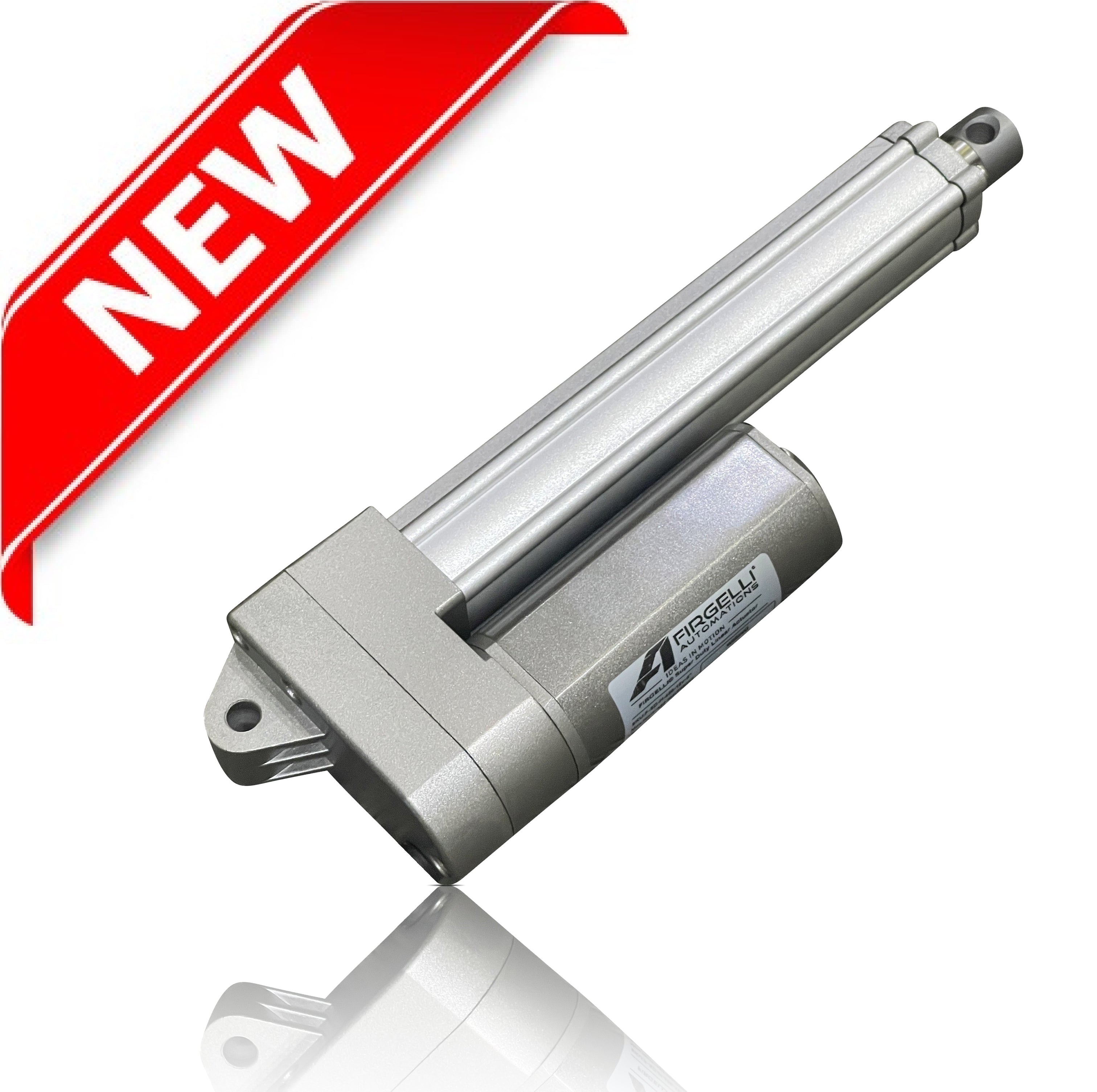
Super Duty Electric Linear Actuator
Use this when the project needs a stronger actuator platform with feedback-capable options.
View Super Duty ActuatorsWhat components actually matter?
Limit switches tell the system where travel should stop. Overcurrent protection tells the system something got hard to move. Those are not the same thing. A good actuator system uses known end stops for position and overload logic for abnormal load.
Where would you use this?
Use limit switches on doors, drawers, hatches, lifts, and slides that need a repeatable end position. Use overcurrent protection on mechanisms that can jam, freeze, hit an obstruction, or change load over time.
How would you use it in a real build?
Set limit switches so the motor stops before the mechanism binds. Use overcurrent as backup protection. In a controller, a short current spike may be normal at startup, while a sustained current rise during travel often means the mechanism hit something or friction climbed too high.
What is a realistic example?
A cabinet lift reaches the top at 18 inches. The upper limit switch opens at 17.8 inches so the actuator stops before the lid hits the frame. If a tool falls into the lift path at 9 inches, the limit switch will not help. Current rises from 5A to 15A, and overcurrent logic stops the lift.
What usually goes wrong?
The big mistake is relying on motor stall as the normal stop. That heats the motor, loads the gearbox, and can loosen brackets. Another mistake is setting current protection so low that normal startup current trips the system every time.
What should you measure before choosing parts?
Measure end-of-travel position, overtravel clearance, normal running current, startup current, and jam current. A limit switch needs a repeatable mechanical trigger. Overcurrent protection needs a threshold that sits above normal load but below destructive load.
How should you test it before trusting it?
Test the circuit with the actuator stalled briefly, loaded normally, and starting from rest. Measure current with the real wiring length. Voltage drop matters. A supply that reads 12V on the bench can sag badly once 2 actuators start together.
Cycle the system until the driver, relay, switch, and wires reach normal operating temperature. Warm parts tell the truth faster than a wiring diagram.
What changes when this becomes a real product?
Production wiring needs strain relief, fused supply, known connector ratings, repeatable crimp quality, and documentation. If feedback is involved, the signal wires need routing away from noisy motor wiring where practical. If the system goes into a vehicle, boat, or RV, vibration becomes part of the electrical design.
What rule of thumb should you remember?
Size the electrical path around current, not just voltage. Voltage tells you compatibility. Current tells you what fails.
Which applications are a good fit?
Good applications include drawer slides, cabinet lifts, access hatches, TV lifts, trap doors, automated vents, and machinery guards that need repeatable end positions. The common thread is controlled motion. The load should move through a known path, with brackets, guides, hinges, or structure carrying the side loads.
What details should go on the design checklist?
Before choosing hardware, write down end-of-travel clearance, switch repeatability, actuator coast distance, startup current, jam current, and how the controller resets after a trip. These numbers and conditions stop the project from turning into guesswork. They also make support conversations much faster because the important facts are already on the table.
For a prototype, you can adjust brackets and reroute wires after the first test. For a finished installation, make those decisions early. Leave access to fasteners. Leave access to wiring. Leave enough room to replace the actuator without taking the whole project apart.
What is the practical takeaway?
Use limit switches for known travel limits. Use current logic for abnormal resistance. One tells you where the mechanism is. The other tells you the mechanism is unhappy.
What final check should you do before ordering?
Write the project down as 5 numbers before you buy anything: load, stroke, speed, voltage, and available mounting space. Then add the real-world conditions: water, vibration, dust, heat, access, duty cycle, and what happens if the mechanism jams. This 10-minute check catches most actuator mistakes before money gets spent.
After that, check the control path. The switch, relay, controller, fuse, wire, and power supply all need to match the actuator current. A strong actuator with weak wiring is still a weak system.


