
AC vs DC linear actuators comes down to power source, wiring, control, and safety. Most practical actuator systems use low-voltage DC because it works with batteries, switches, controllers, and feedback systems. If you only have wall power, use an AC-to-DC power supply sized for voltage and current.
"On almost every actuator project I look at, the actuator stays DC and the power supply does the AC-to-DC work. The job is sizing the supply and the wiring to the real current the mechanism will pull — not the bench number."
What are AC vs DC linear actuators?
AC actuators run from alternating current. DC actuators run from direct current, usually 12V or 24V in smaller automation systems.
What is the simple explanation?
Your wall outlet supplies AC. Your car battery and many actuator controllers supply DC. In many projects, the actuator stays DC and the power supply converts wall AC into the DC voltage the actuator needs.
Use the formula below to size the DC power supply.
Supply current = actuator current × number of actuators × startup margin
When should you choose DC power?
Choose DC when the actuator uses a battery, vehicle electrical system, solar setup, low-voltage controller, feedback control, or simple polarity-reversing switch. That covers most actuator projects.
DC also makes direction control straightforward. Reverse polarity and the actuator changes direction. Use a switch, relay, controller, or FCB-2 depending on how much control the job needs.
When does AC power still matter?
AC matters when the building gives you wall power. That does not mean the actuator has to be AC. It usually means you use a DC actuator with an AC-to-DC power supply.
That setup keeps the actuator side low voltage while still letting the project plug into the wall.
How do AC and DC actuator systems compare?
What should the calculator inputs be?
Use actuator voltage, current per actuator, actuator count, and startup margin. That answers the real buying question: what power supply do you need?
How do you use this calculator?
- Choose the actuator voltage.
- Enter current per actuator from product data or measured current.
- Enter the number of actuators that can run together.
- Click Calculate to see your result.
What is a simple example?
2 actuators draw 8A each at 12V DC. You add 50% margin for startup and load.
Supply current = 8 × 2 × 1.5 = 24A
Wattage = 12V × 24A = 288W
So you would choose a 12V DC supply rated at least 24A, then check wiring, fuse, switch, controller, and duty cycle.
What wiring mistake causes most problems?
Undersized wiring and undersized power supplies cause most electrical headaches. The actuator may move with no load on the bench, then stall or slow down once the real mechanism adds load.
Fuse the circuit close to the supply. Size wire for current and distance. Keep controller ratings above the actual load. Do not ask a small switch to carry high actuator current unless it is rated for it. (Conductor ampacity and overcurrent protection sizing are addressed in the National Electrical Code, NEC Article 310 and Article 240.)
Recommended FIRGELLI setup
Which FIRGELLI products fit AC vs DC projects?
The product-first check points to DC actuators and AC-to-DC power supplies. Start with the FIRGELLI linear actuators collection or the 12V linear actuators collection, then choose the power supply around current draw.

AC to DC Power Supply 12V 30A
Use this when the project plugs into wall power but the actuator system needs 12V DC with high current capacity.
View 12V 30A Power Supply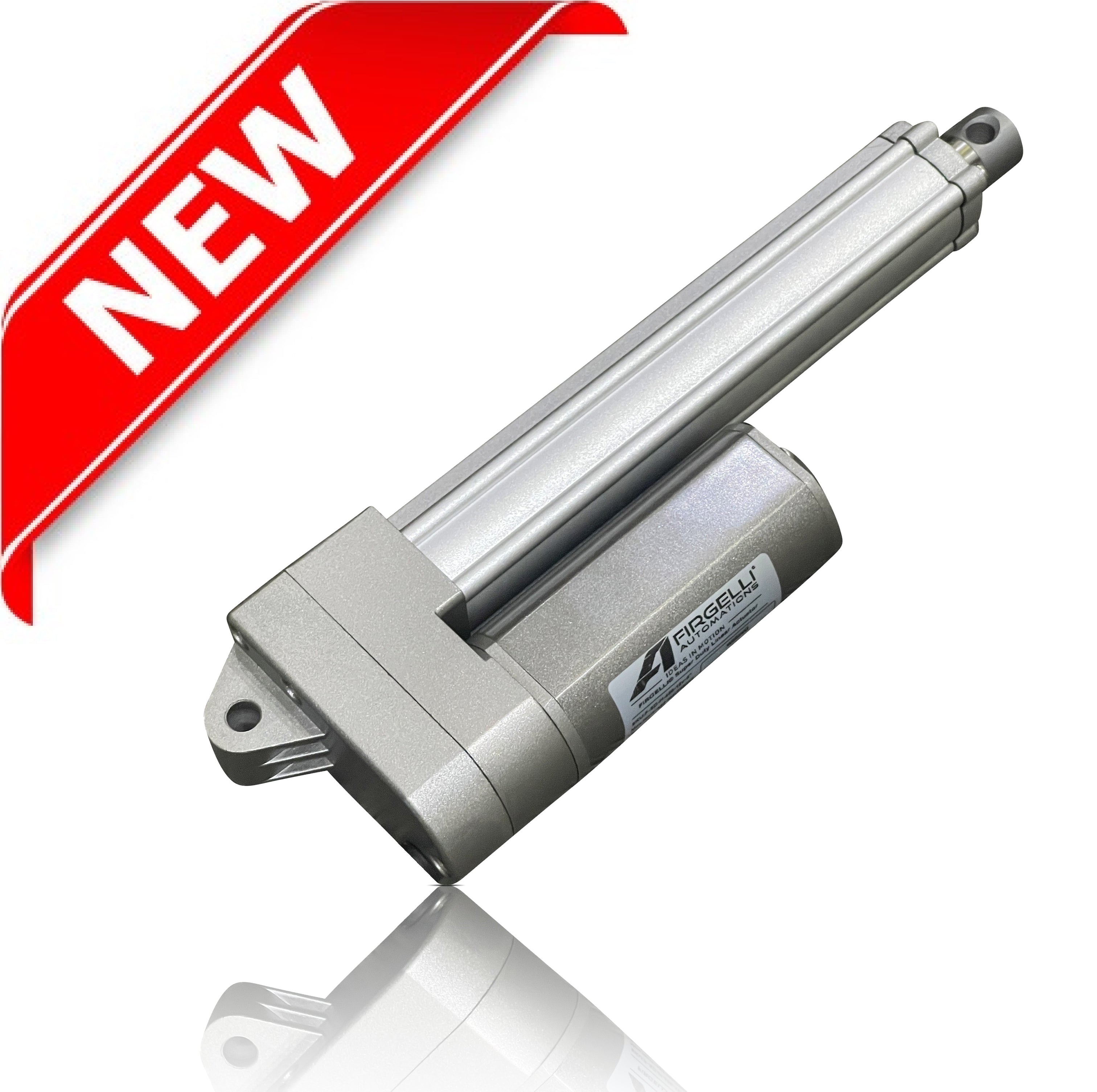
Super Duty Electric Linear Actuator
Use this when you need a strong actuator platform. Built-in feedback can work with the FCB-2, but a regular switch still works for simple extend/retract motion.
View Super Duty Actuators
Utility Linear Actuator
Use this for compact, quiet projects. Feedback can work with the FCB-2, but you do not have to use it for simple 2-wire control.
View Utility Actuators
FCB-2 Actuator Controller
Use the FCB-2 when the DC actuator project needs feedback-based control, synchronization, custom limits, speed adjustment, or timers.
View the FCB-2For simple manual control, use a control from the FIRGELLI switches collection.
What usually goes wrong with AC vs DC actuator power?
- Undersized power supply. The actuator runs fine unloaded on the bench, then stalls, runs slow, or trips the supply once the mechanism adds real load and inrush current.
- Wire too thin or too long. Voltage drop on long DC runs starves the motor. The actuator feels weak, runs hot, or won't start at low battery voltage.
- Switch or relay underrated for actuator current. Contacts pit, weld, or burn. A switch rated for "12V" is not automatically rated for the actuator's running current — let alone its startup current.
- No fuse near the supply. A short anywhere downstream can dump full supply current into the wire instead of opening a fuse.
- Using an AC-only outlet path with no proper AC-to-DC supply. Plugging a DC actuator system into wall AC without a correctly rated converter damages the motor and controller.
How should you test the power setup before trusting it?
- Measure current under real load, not no-load. Use a clamp meter on the DC supply lead while the actuator moves the actual mechanism through its hardest point of travel.
- Check voltage at the actuator, not at the supply. Measure DC voltage at the actuator terminals while it runs. Significant drop means wire gauge or run length is wrong.
- Verify the supply holds up at startup. Cycle the actuator several times in a row. A supply that sags below the actuator's working voltage on startup is undersized, even if the steady-state number looks fine.
- Confirm fuse and switch ratings against measured current. Compare the measured running and startup current to the rated current of the fuse, switch, relay, or controller in the circuit.
- Run repeated cycles with real load. A single successful stroke is not proof. Run the duty cycle the application will actually use.
FAQ
Are linear actuators AC or DC?
Most small and mid-size electric linear actuator systems use low-voltage DC power, commonly 12V or 24V. If your building supplies AC wall power, use an AC-to-DC power supply that matches the actuator voltage and current.
Can I plug a 12V actuator into a wall outlet?
No. A wall outlet supplies AC mains voltage. A 12V actuator needs 12V DC. Use a properly rated AC-to-DC power supply between the wall outlet and the actuator control circuit.
Is 24V better than 12V for actuators?
24V can reduce current for the same power, which helps on longer wire runs and larger systems. 12V works well for vehicles, batteries, and many DIY projects. Choose the voltage that matches the actuator, controls, and power source.
How many amps does my actuator power supply need?
Add the current draw of all actuators that can run at the same time, then add startup and load margin. For example, 2 actuators drawing 8A each with 50% margin need at least 24A from the supply.
Do feedback actuators need special power?
The motor still needs the actuator's normal DC power. Feedback wires add position signals for a controller such as the FCB-2. You can use the feedback for position control, or ignore it for simple extend and retract control.


