
A quiet linear actuator is not just a quiet motor. Noise comes from gears, screw drive, speed, load, brackets, panels, resonance, and how the actuator stops. Pick the wrong mounting and a quiet actuator can still make the whole cabinet sound cheap.
"People spend hours hunting for a quieter actuator when the real problem is the panel it's bolted to. A quiet actuator on a thin, unsupported panel will always sound louder than a noisier actuator on a rigid frame. Fix the structure first — then judge the actuator."
— Robbie Dickson, Founder and Chief Engineer of FIRGELLI Automations
What is a quiet linear actuator?
A quiet linear actuator reduces motor, gearbox, and screw noise during extension and retraction. The installation must also avoid vibration and panel resonance.
What is the simple explanation?
The actuator makes motion. The structure can amplify that motion into sound. Quiet design needs both a suitable actuator and a solid mount.
Use the simple score below to estimate noise risk.
Noise risk = speed + load + resonance + hard stop risk
What should the calculator inputs be?
Use this as a first-pass sizing tool. Then confirm the final choice against the actual FIRGELLI product page, the wiring diagram, and your real mounting geometry.
How do you use this calculator?
- Enter the real project values, not guesses from a different mechanism.
- Use measured current, load, stroke, voltage, or signal values where you can.
- Add margin for real brackets, wiring, friction, and installation conditions.
- Click Calculate to see your result.
How do you make an actuator quieter?
Start with the actuator type, then fix the structure. A compact quiet actuator helps, but a loose panel can turn small vibration into a loud buzz.
Use rubber isolation only where it does not make alignment worse. The actuator still needs to push straight, and the brackets still need to hold load safely.
What is a simple example?
A hidden cabinet door uses a small actuator on a thin wood panel. The actuator sounds fine on the bench but buzzes in the cabinet.
The fix is not always a different actuator. Add a rigid bracket, move the mount closer to the frame, guide the door, and prevent the actuator from slamming into hard stops.
Recommended FIRGELLI setup
Which FIRGELLI products fit this job?
Choose quiet motion from actuator design, load, speed, and the structure it bolts into.

Silent Micro Linear Actuator
Use this when the project needs very compact quiet motion and the load/stroke requirements fit the product page.
View Silent Micro Actuator
Utility Linear Actuator
Use this for compact, quiet actuator projects where the Utility actuator’s worm gear behavior and feedback options fit.
View Utility Actuators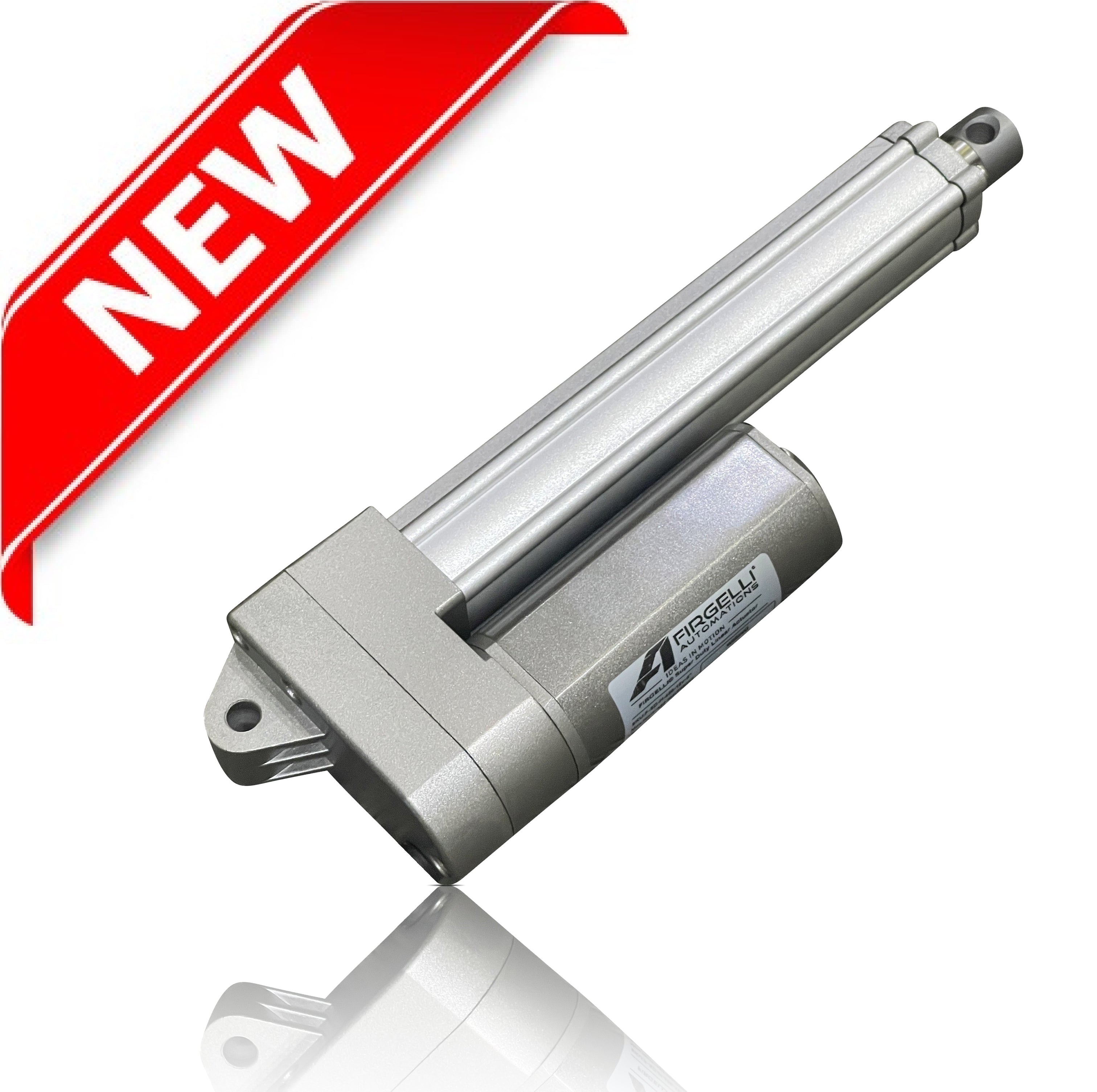
Super Duty Electric Linear Actuator
Use this when the project needs a stronger actuator platform with feedback-capable options and regular switch control still works.
View Super Duty ActuatorsFor position-aware control or softer motion planning, use the FCB-2 actuator controller where it fits the actuator setup.
How should you test it before trusting it?
Bench testing only proves the actuator works. Quiet motion has to be confirmed in the actual installed structure.
- Bench-versus-installed test: Run the actuator on the bench, then run it again mounted in its final location. If the sound changes significantly, the structure is amplifying — not the actuator.
- Full-stroke cycle test under real load: Run at least 20–50 full cycles with the real working load attached. Listen for changes at the start, middle, and end of travel.
- End-of-travel test: Confirm the actuator does not slam into a hard mechanical stop. If it does, add a limit switch, soft-stop controller, or feedback-based stop.
- Panel resonance check: Press firmly on cabinet panels while the actuator runs. If the noise drops when you press, the panel is resonating and needs stiffening or bracing.
Where does quiet actuator motion matter most?
- Smart furniture and hidden cabinetry: TV lifts, hidden bars, and motorized panels inside living spaces — anywhere the actuator runs near people sitting quietly.
- Home office and adjustable desks: Motion that runs during meetings or calls. Vibration through the desk surface matters as much as airborne noise.
- RV and marine interiors: Bed lifts, slide-outs, and hatch lifts in confined cabins where noise carries through the whole vehicle.
- Medical and assistive equipment: Patient lifts and adjustable beds where sudden noise or vibration affects comfort.
- Retail and display: Motorized product displays that need to operate without drawing attention to the mechanism.


